
Table of Contents
What is a Microcontroller (MCU)?
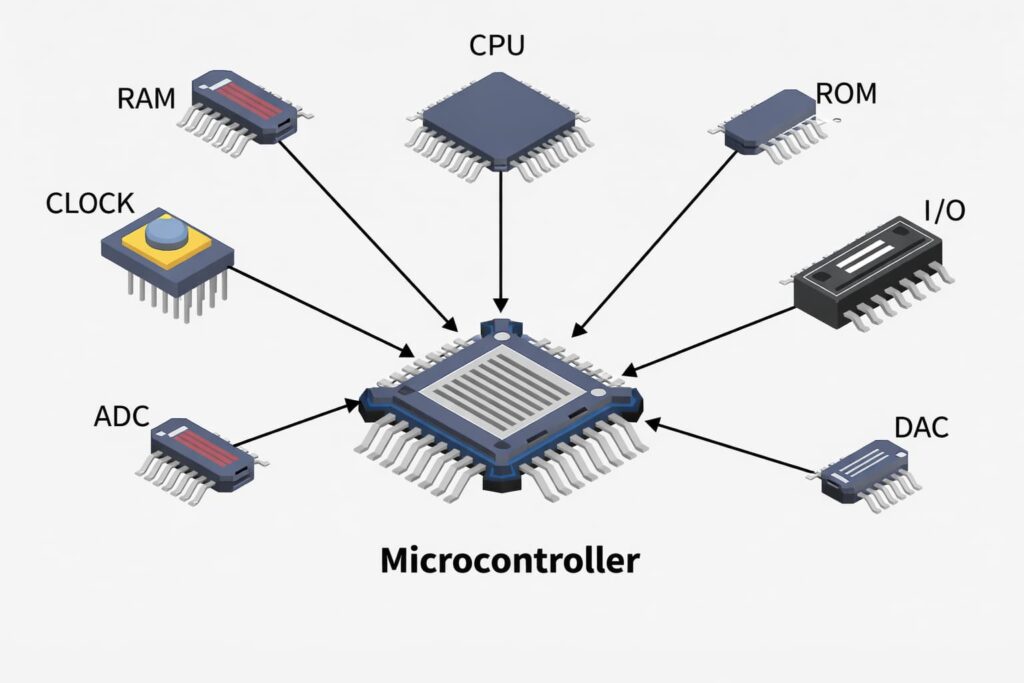
1.Definition of Microcontroller
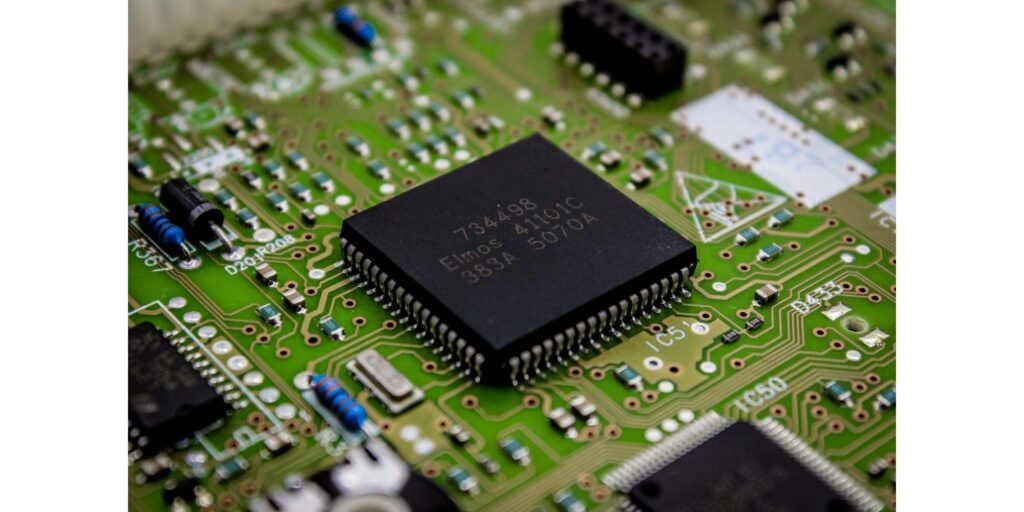
A microcontroller (Microcontroller Unit, abbreviated as MCU), also known as a single-chip microcomputer (Single-Chip Microcomputer), is essentially a miniature computer system integrated onto a single chip, widely used in various intelligent devices.
A microcontroller is often described as the “brain” of modern electronic devices. Unlike general-purpose computing devices, MCUs are mainly used to handle specific tasks within a system and do not require running complex operating systems.
2. Core Structure of a Microcontroller
The composition of a microcontroller can generally be divided into five modules:
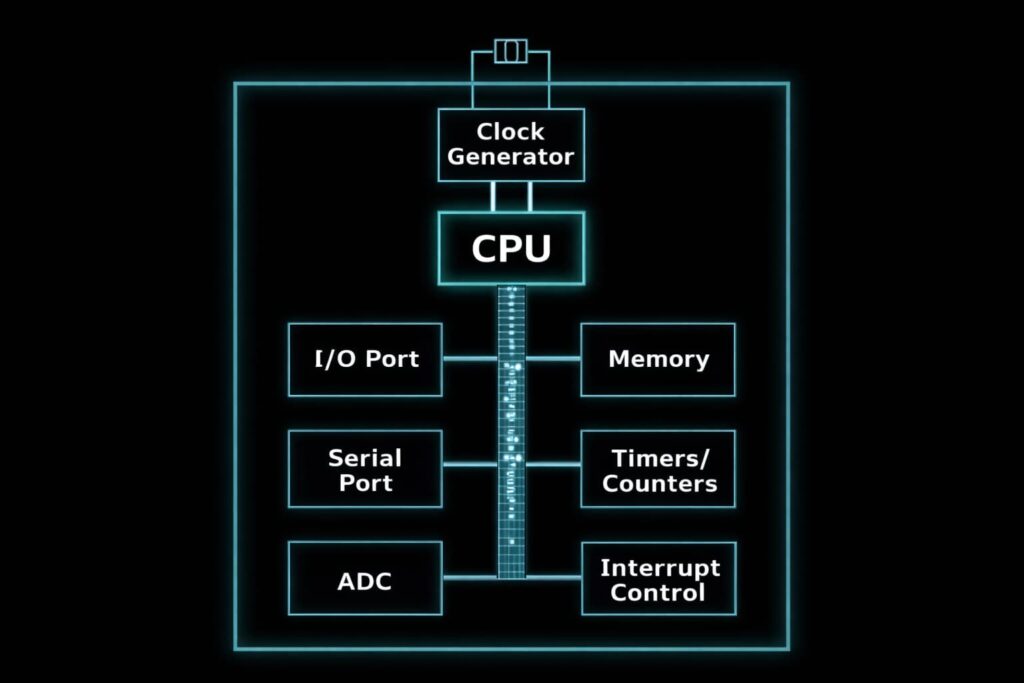
2.1 Central Processing Unit (CPU)
The CPU is the core unit of the microcontroller, responsible for instruction scheduling, data processing, and program execution. It includes:
- Control Unit (CU): Responsible for fetching and decoding instructions from memory and coordinating the operation of various modules
- Arithmetic Logic Unit (ALU): Performs arithmetic operations (addition, subtraction, multiplication, division) and logic operations (AND, OR, NOT)
- Program Counter (PC): Stores the address of the next instruction to be executed and points to the next instruction after the current one is completed
- Registers: Used to store temporary data during execution
- General-purpose registers: Store computation results
- Special registers (such as status registers): Store status information
2.2 Memory: RAM and ROM
A microcontroller typically integrates two main types of memory for storing program code and runtime data:
- Read-Only Memory (ROM / Flash / EEPROM)
Belongs to non-volatile memory, used to store firmware code and fixed data, which is retained even when power is off - Random Access Memory (RAM)
Belongs to volatile memory, used to store variables and temporary data during program execution, and data is lost when power is off
2.3 Input / Output Ports
Input/output ports are the interfaces through which the microcontroller interacts with external devices:
- GPIO (General-Purpose Input/Output): Can be configured via software as input or output, used to read external signals or control external devices
- Timers / Counters: Used to generate precise time delays, measure signal frequency, and perform counting operations, commonly used for PWM (Pulse Width Modulation) output
2.4 Signal Conversion and Communication Modules
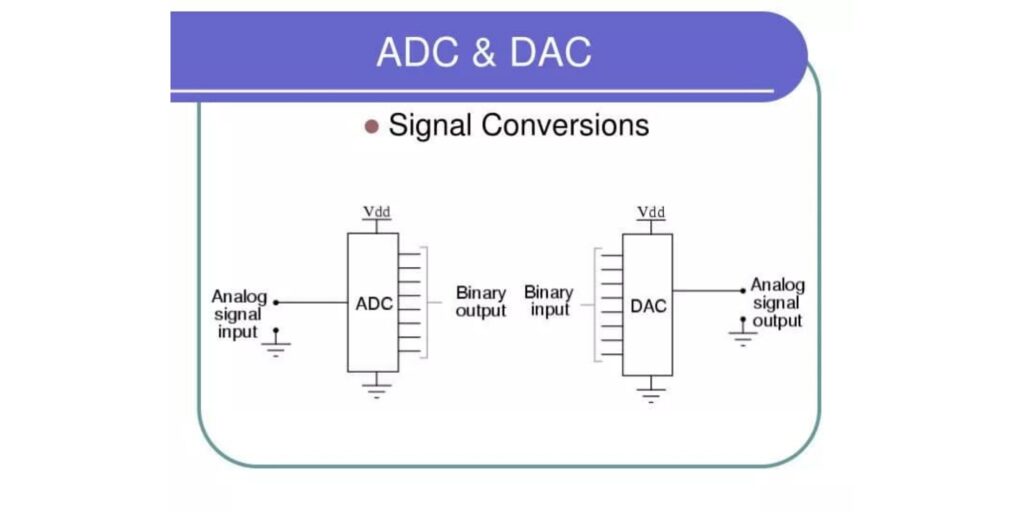
- Analog-to-Digital Converter (ADC): Converts external analog signals into digital signals that the CPU can process
- Digital-to-Analog Converter (DAC): Converts digital signals processed by the CPU into analog signals to control external analog devices
- Communication Interfaces: Typically integrate multiple communication protocols such as UART, SPI, I²C, USB, CAN, etc., used for data exchange with external devices
2.5 Auxiliary Supporting Circuits
To ensure stable system operation, the chip usually includes the following key supporting circuits:
- Clock Generator / Oscillator: Provides timing signals required for CPU and peripheral operation
- Bus: Acts as an internal communication channel connecting CPU, memory, and peripherals for data transmission
- Watchdog Timer: Automatically resets the system when the program malfunctions, improving reliability
- Power Management Unit (PMU): Supports multiple low-power modes to improve system efficiency
3. Microcontroller vs Microprocessor (MCU vs MPU)
MCU and MPU are both processors capable of executing computational logic, but they differ significantly in architecture and application.
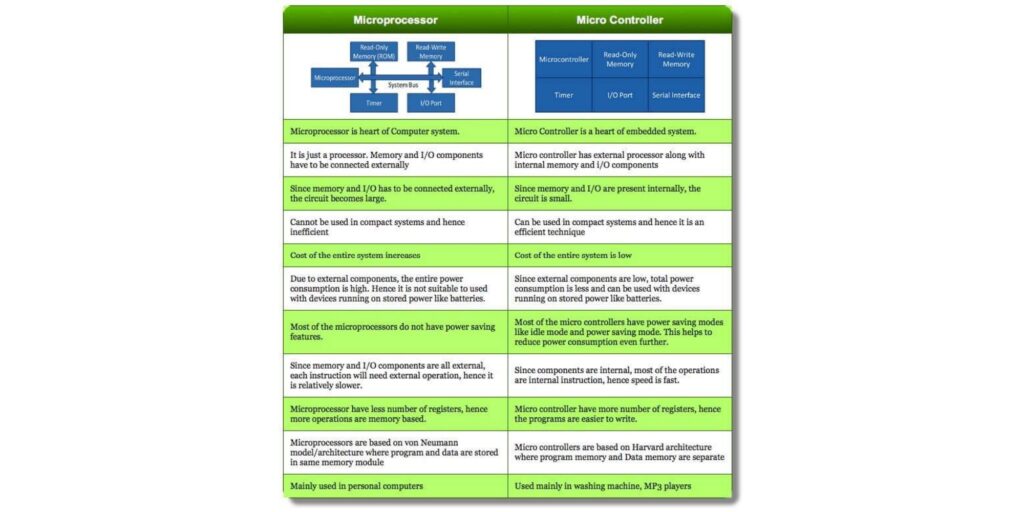
3.1 Functional Differences
| Aspect | MCU | MPU |
|---|---|---|
| Integration | High (on-chip system) | Low (external components required) |
| Power Consumption | Low | High |
| Frequency | ≤ 200 MHz | ≥ 1 GHz |
| OS Support | None / RTOS | Linux / Android |
| Applications | Control-oriented | Computation-oriented |
3.2 Hardware Architecture
- MCU (Microcontroller)
Integrates processor core, memory (RAM and ROM/Flash), and I/O peripherals (timers, ADC, etc.) into a single chip, typically requiring no additional external circuits to operate - MPU (Microprocessor)
Usually contains only the CPU and requires external memory and peripherals (such as memory, communication interfaces, etc.) to complete system functions
3.3 Use Cases and Applications
Applications of MCU
Microcontrollers are typically used as the core of embedded systems to manage specific hardware functions:
- Household appliances: air conditioners, refrigerators, washing machines, microwave ovens, rice cookers, etc.
- Automotive electronics: engine control, ABS, automatic wipers, instrument display, etc.
- Medical devices: glucose meters, blood pressure monitors, heart rate monitoring devices, etc.
- Consumer electronics: smart bands, drones, remote controls, keyboards and mice, etc.
Applications of MPU
Microprocessors are mainly used in high-performance computing scenarios:
- General-purpose computing devices: PCs, laptops
- Data centers and servers: data analysis, cloud computing
- High-performance embedded systems: operating system execution, multimedia processing, etc.
4. Microcontroller Power Unit
The power unit (Power Unit) or power management module is an important part that ensures stable system operation and extends battery life.
4.1 Importance of Power
Power not only drives hardware operation but also directly affects system performance:
- Battery life and portability: The low power characteristics of MCU make it very suitable for battery-powered devices
- Real-time response and energy saving: MCU can enter low-power sleep modes and quickly wake up through interrupts, maintaining responsiveness while reducing power consumption
4.2 Power System Structure
On-chip Power System
Function: Manage power consumption and power distribution
Main components include:
- Power Management Unit (PMU)
- Low-power modes (Sleep / Standby / Deep Sleep)
- Wake-up mechanisms (interrupt or timer trigger)
Core feature:
MCU can reduce power consumption by shutting down the CPU or part of the peripherals and quickly resume operation when needed
4.3 External Power System
Function: Provide stable voltage
Main components include:
- Power input: USB, battery, industrial power supply
- Voltage conversion: LDO or DC-DC
- Backup power: coin cell battery / RTC supply
Core feature:
External circuits convert input voltage into the stable voltage required by the MCU (such as 3.3V)
5. Common Applications of Microcontrollers (MCU Applications)
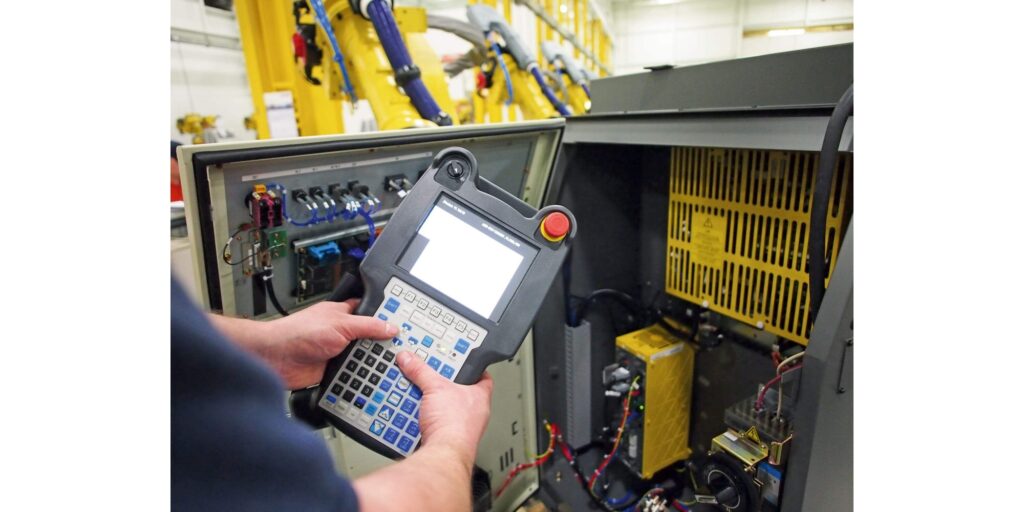
Microcontrollers, as the core control unit of embedded systems, are widely used in various electronic devices:
- Consumer electronics and smart home: air conditioners, refrigerators, washing machines, smart lights, door locks
- Automotive electronics: ECU, ABS, airbags, BMS, instrument systems
- Industrial automation: PLC, industrial robots, motor control
- Medical devices: blood pressure monitors, glucose meters, testing instruments
- Internet of Things (IoT): wearable devices, drones, sensor nodes
- Agriculture and environmental monitoring: smart irrigation, meteorology, water quality monitoring
6. Applications Corresponding to Different MCU Bit Widths
- 4 / 8-bit MCU: simple control (remote controls, toys)
- 16-bit MCU: industrial control
- 32-bit MCU: IoT, automotive, smart devices
- 16-bit MCU: industrial and medical equipment
- 32-bit MCU: complex systems (IoT, AI, automotive electronics)
conclusion
MCUs are widely used from simple control devices to complex intelligent systems and are the core of enabling automation and intelligence in modern electronic products.