
No products in the cart.
Circuit Protection
TVS Diodes & ESD Protection Devices
Find TVS diodes and ESD protection devices by voltage, direction, capacitance, package and interface.
VRWMClamping voltageCapacitanceDirectionPackage
VoltageStart with normal operating voltage and clamping limits
SignalUse low capacitance devices for high-speed interfaces
PackageConfirm package and layout fit before RFQ
RFQSend MPN, quantity, interface and application details
Quick Start
Start With the Protection Problem
Use this page as a buyer and engineer navigation hub. Start from the circuit risk, then move to the right category, selection guide or RFQ path.
Power rail
Protect a DC rail?
Start with TVS diodes for transient and surge suppression on power or signal lines.
Browse TVS pathData line
Protect an interface?
Use low capacitance ESD or TVS devices when signal integrity matters.
View interface pathESD event
Need ESD clamp devices?
Browse ESD protection diodes by channel count, capacitance, voltage and package.
Browse ESD pathPolarity
Choosing direction?
Compare unidirectional and bidirectional TVS devices by signal polarity and protected node behavior.
Compare directionWhat Is a TVS Diode?
Direct answer
A TVS diode is a transient voltage suppressor that clamps voltage spikes to help protect a circuit from ESD, surge and switching transients. For procurement, choose TVS and ESD protection devices by working voltage, clamping voltage, peak pulse rating, capacitance, polarity, package and protected interface.
Compare working voltage, clamping voltage, capacitance, pulse rating, polarity and package against the original datasheet. Send the exact MPN and quantity for sourcing review.
Datasheet review is required for voltage, package, capacitance, pulse rating and substitution review.
Browse TVS and ESD Protection Categories
TVS Diodes
Core category for transient voltage suppression diode sourcing by voltage, package and power rating.
Open TVS DiodesESD Protection Diodes
For fast ESD events on interfaces, sensors, antennas and data lines.
Open ESD pathUnidirectional TVS
Use when the protected node normally stays in one polarity relative to ground.
Compare directionBidirectional TVS
Use when the signal can swing positive and negative or when bidirectional clamping is required.
Compare directionLow Capacitance ESD
Recommended path for high-speed signals where diode capacitance can affect signal integrity.
View interfacesUSB Protection
Route USB ESD and TVS requests to interface-specific review before selecting a package.
Prepare requirementsVoltage Filters
Start from 5 V, 12 V or another working voltage, then check breakdown and clamping voltage.
View parametersChoose by Key Parameters
Use these selection dimensions to narrow the category by protection type, voltage, capacitance, direction, package and protected interface.
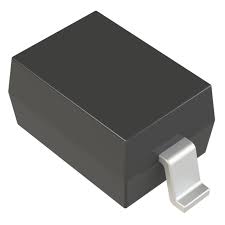 PESD5V0S1BA
ESD Protection Diode
Exact part-number sourcing path. Verify package and datasheet fields before RFQ.
View product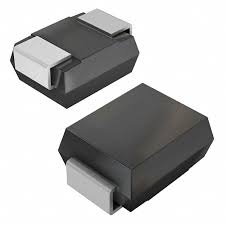 SMBJ5.0A
TVS Diode Request
Useful for voltage-specific TVS sourcing. Confirm voltage and pulse rating.
View product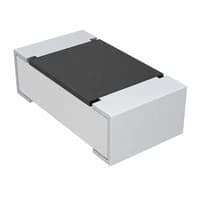 PGB1010603MR
ESD Protection Path
Use exact MPN plus quantity, package and application details for review.
View productHow to Choose a TVS or ESD Protection Device
- Match the normal operating voltage to the reverse working voltage.
- Check breakdown and clamping voltage against the protected IC or power rail.
- Choose peak pulse power and peak pulse current based on surge or ESD stress.
- Use low capacitance devices for high-speed data lines.
- Choose unidirectional or bidirectional protection by signal polarity.
- Confirm package, layout, line count and thermal constraints.
- Verify substitution fit from datasheets before RFQ.
| Parameter | Why it matters |
|---|---|
| VRWM | Normal operating voltage that the device should tolerate without conducting heavily. |
| VBR | Breakdown voltage range that starts the protection behavior. |
| VC | Clamping voltage that the protected circuit must survive during a transient. |
| Capacitance | Critical for USB, RF, LVDS and other high-speed data lines. |
| IPP / PPP | Peak pulse current and power ratings for surge or transient events. |
| Package | Affects layout, parasitics, power handling and assembly fit. |
TVS, ESD and Direction Comparison
| Device or path | Best for | Key checks | Page role |
|---|---|---|---|
| TVS diode | Surge and transient suppression on power or signal lines | VRWM, VBR, VC, PPP, IPP, package | Main category |
| ESD protection diode | Fast ESD events on data, sensor or interface lines | Capacitance, clamping voltage, line count, package | Child category |
| Unidirectional TVS | Nodes with one normal polarity relative to ground | Polarity, operating voltage, clamping path | Filter or support page |
| Bidirectional TVS | Signals that swing positive and negative or need symmetric clamp behavior | Signal range, capacitance, leakage, package | Filter or support page |
| Low capacitance ESD array | USB, LVDS, RF and other high-speed interfaces | Capacitance, channel count, signal integrity, package | Application path |
Do not treat similar protection devices as interchangeable without datasheet comparison and application review.
Common Protection Applications
USB and Data Interfaces
Start with low-capacitance ESD devices and confirm line count, package and capacitance.
RS-232, RS-485 and CAN
Use interface-specific voltage and surge requirements before selecting a TVS part.
Antenna and Sensor Lines
Check capacitance and leakage carefully for sensitive signal paths.
Power Rails and DC Inputs
Select by working voltage, clamping voltage and pulse power rating.
Industrial Controls
Prepare voltage, transient environment and package requirements for RFQ review.
Automotive Electronics
Only claim automotive grade when the product data and datasheet evidence support it.
Popular Part Number Paths
Exact part-number demand should route to product pages or RFQ, not overload the broad category page.
| Part number | Search role | Recommended action | Status wording |
|---|---|---|---|
| PGB1010603MR | ESD protection part path | Confirm package, quantity and application | Datasheet review required |
| PESD5V0S1BA | ESD protection diode path | Confirm voltage, package and protected interface | Datasheet review required |
| TPD4S012DRYR | Interface protection request | Confirm channel count, interface and package | Datasheet review required |
| SMBJ5.0A | TVS diode request | Check voltage and pulse rating against the design | Datasheet review required |
| SMAJ5.0A | TVS diode request | Use product search or send RFQ if no exact product page is available | Exact product page not confirmed |
| SM712 | Interface protection request | Use product search or send RFQ if no exact product page is available | Exact product page not confirmed |
| SRV05-4 | ESD array request | Open SRV05 product family and confirm exact variant, line count and capacitance | Variant review required |
TVS and ESD Protection FAQ
What is a TVS diode?
A TVS diode is a transient voltage suppressor used to clamp voltage spikes and help protect circuits from ESD, surge and switching transients. The right device depends on voltage, clamping level, pulse rating, capacitance, polarity and package.
Is a TVS diode used for ESD protection?
Yes, TVS diodes are commonly used for ESD protection. ESD protection diodes are usually optimized for very fast electrostatic discharge events and may use low capacitance structures for data and interface lines.
How do I choose a TVS diode for a circuit?
Start with normal operating voltage, then compare breakdown voltage, clamping voltage, peak pulse rating, capacitance, direction and package. The selected device must be checked against the protected IC and current datasheet.
What is the difference between unidirectional and bidirectional TVS diodes?
Use a unidirectional TVS when the protected node normally stays in one polarity relative to ground. Use a bidirectional TVS when the signal swings positive and negative or requires symmetric clamping behavior.
Why does capacitance matter for ESD protection diodes?
Capacitance matters because excess capacitance can distort high-speed signals. USB, RF, LVDS and similar interfaces often require low-capacitance ESD or TVS devices.
Can one TVS diode be used as a substitute for another?
Only after comparing voltage ratings, clamping voltage, pulse rating, capacitance, package, polarity, pinout and actual circuit conditions. Similar names or packages do not prove substitution fit.
RFQ / BOM
Send TVS and ESD Protection Parts for Review
Send part numbers, quantities, package requirements and application details for sourcing and datasheet-based review.
Part number or BOMSMBJ5.0A, PESD5V0S1BA, SM712 or full BOM file
QuantityPrototype, production build or annual usage
Electrical targetWorking voltage, clamping voltage, capacitance or interface
Package and constraintsSOD-323, SOT-23, SMA, SMB, manufacturer preference or review notes