
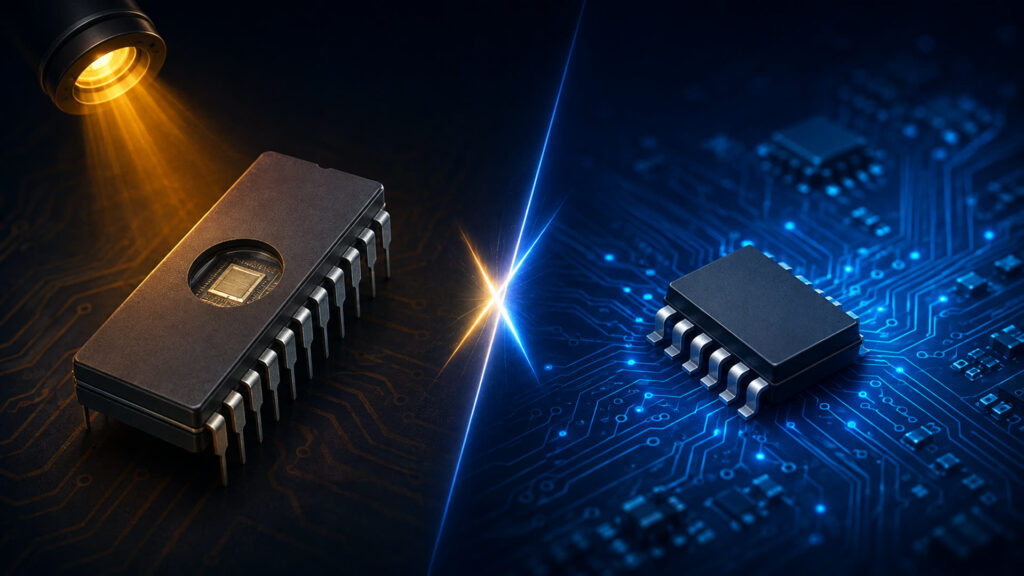
EPROM and EEPROM are both non-volatile programmable memories, but they solve different maintenance problems. EPROM is normally erased by ultraviolet light after removal from the circuit; EEPROM is electrically erased and reprogrammed in the system. For a new design that must update configuration, calibration, ID, or usage data after assembly, serial EEPROM is usually the practical choice. EPROM is mainly relevant when supporting a legacy design that already uses a compatible UV-erasable device.
For modern serial EEPROM options, see the ApexComponent EEPROM Chips resource hub. This page focuses on the narrower legacy-versus-modern memory decision.
EPROM vs EEPROM: quick comparison
| Selection factor | EPROM | EEPROM | Project impact |
|---|---|---|---|
| Erase method | UV light for windowed devices | Electrical erase/write | EEPROM supports field or production-line updates without UV erasure equipment. |
| In-system update | Normally no | Yes, subject to the exact device protocol | Choose EEPROM when parameters must change after assembly. |
| Integration | Commonly legacy/parallel programming arrangements | I2C, SPI, Microwire, Single-Wire or other serial interfaces | Match the memory to the host interface and firmware. |
| Main sourcing risk | Obsolescence and exact legacy compatibility | Interface, voltage, package, endurance and write protection | Neither technology is a drop-in substitute without review. |
What is the real difference?
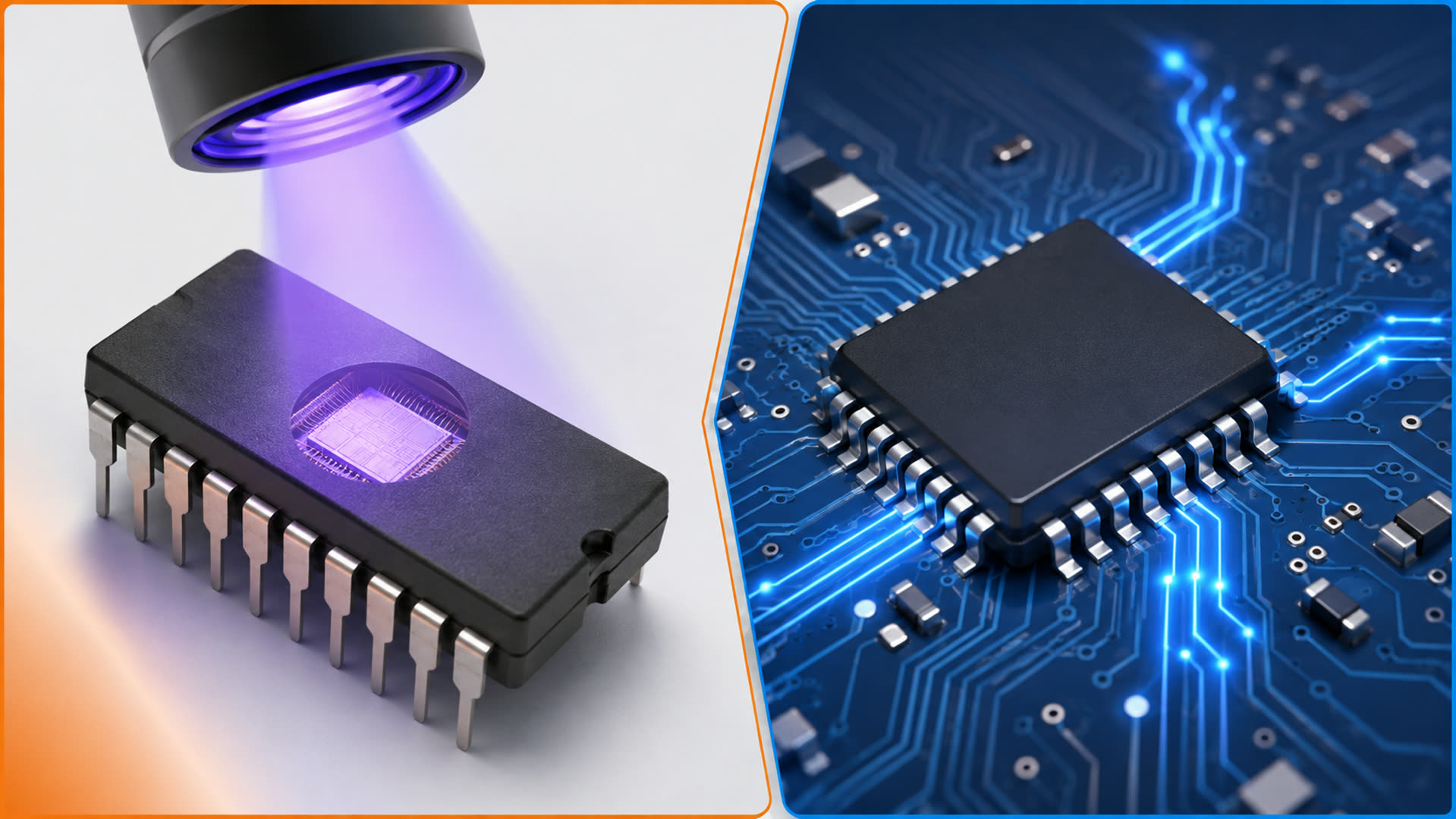
The decisive difference is how the memory array returns to an erasable state. A Microchip UV-EPROM datasheet specifies ultraviolet exposure for EPROM erasure and notes that the workflow erases the entire code array. That process can serve a legacy programming flow, but it is not an in-circuit update method.
Serial EEPROM is electrically erasable programmable memory. ST describes serial EEPROM as non-volatile memory that can be electrically erased and reprogrammed for parameter storage. That makes it useful for calibration constants, configuration records, identity data, counters, and service settings that must survive a power cycle.
When EPROM is still the right answer
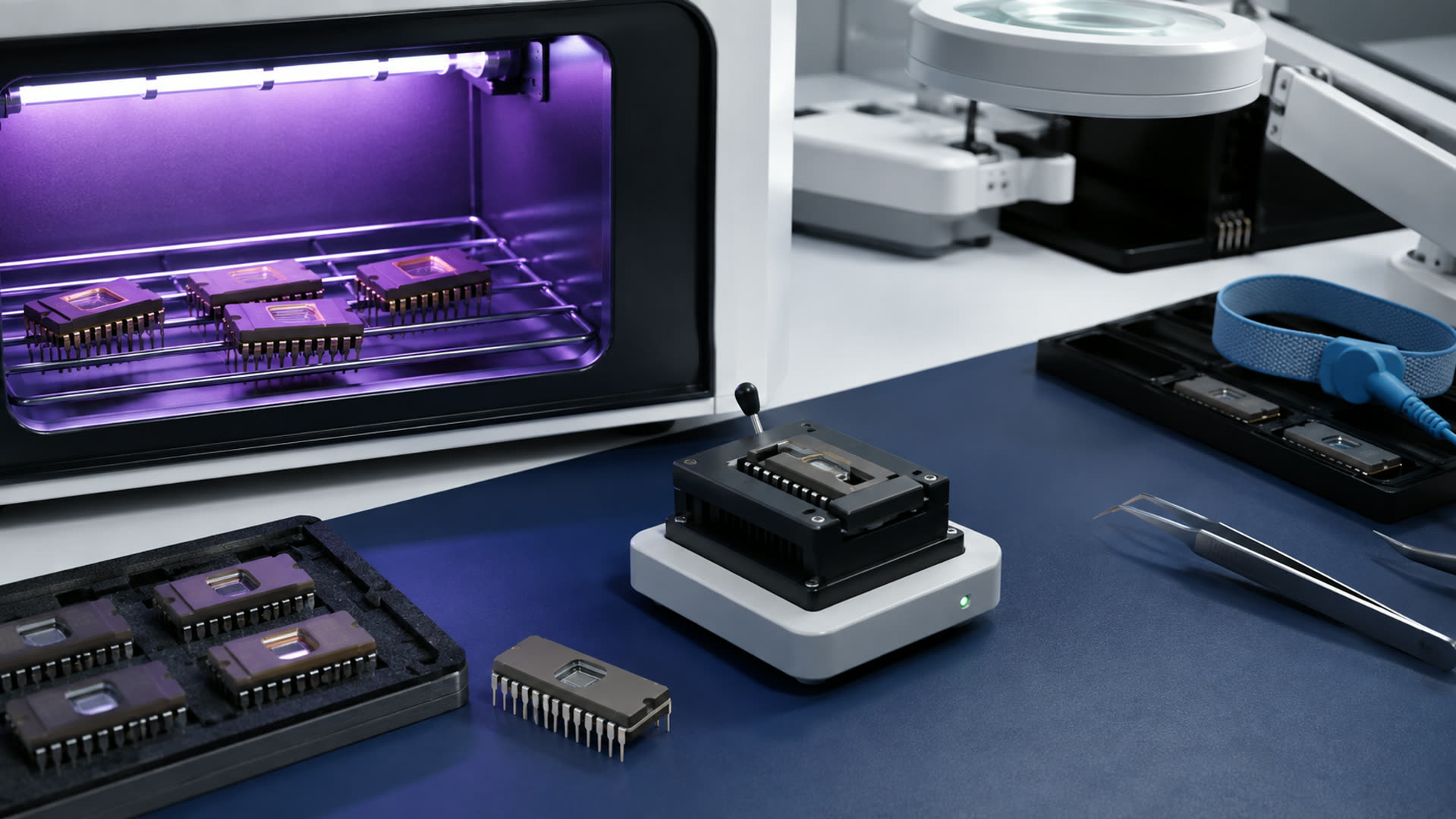
Use EPROM when the existing system architecture genuinely requires it: restoring an older board, maintaining test equipment, servicing a legacy industrial controller, or replacing a verified UV-EPROM orderable part where the board, programmer, socket, and firmware already match.
Before sourcing a legacy EPROM, verify the complete part number, density, address organization, access time, supply voltage, package, programming voltage, UV window requirement, date-code restrictions, and lifecycle status. A same-capacity memory is not automatically a suitable replacement.
When EEPROM is the better fit
Choose EEPROM for a new or redesigned system when data must be changed after PCB assembly. EEPROM gives the design a path for electrical update through the interface supported by the exact device. I2C EEPROM is commonly selected when MCU pin count and shared-bus operation matter; SPI EEPROM is commonly selected when direct transactions and higher serial-clock capability matter.
Read the I2C vs SPI EEPROM guide before selecting the host interface. Confirm every device’s datasheet limits, operating temperature, write pattern, page-write behavior, protection configuration, endurance and retention conditions.
Can an EEPROM replace an EPROM?
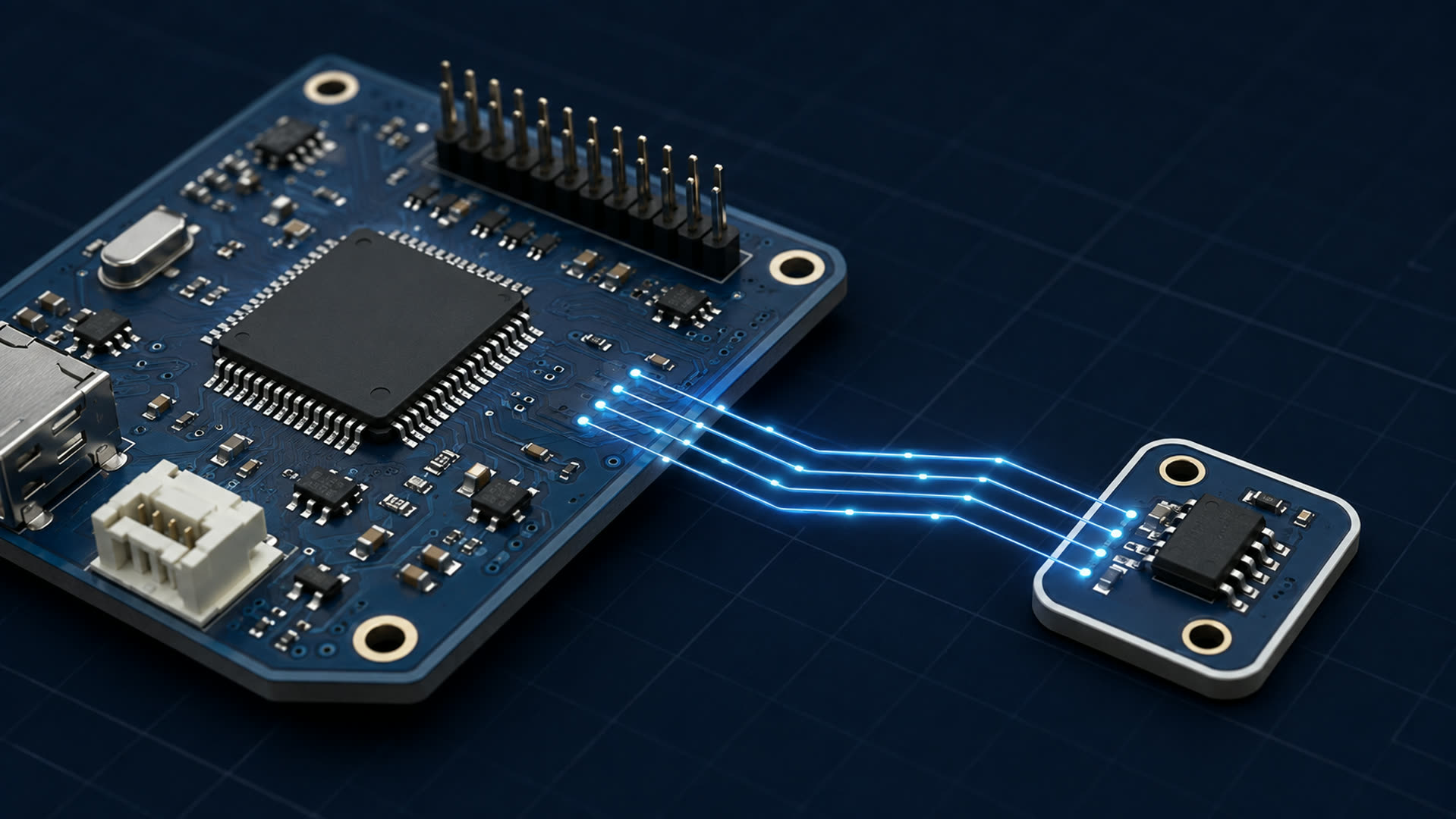
Usually not as a drop-in replacement. An EPROM may use a parallel bus, different pinout, supply or programming conditions, and different firmware assumptions. EEPROM devices are often serial and can require I2C, SPI, Microwire, or another protocol. Moving from EPROM to EEPROM can require a schematic change, PCB respin, firmware driver work, production-programming updates, and formal validation.
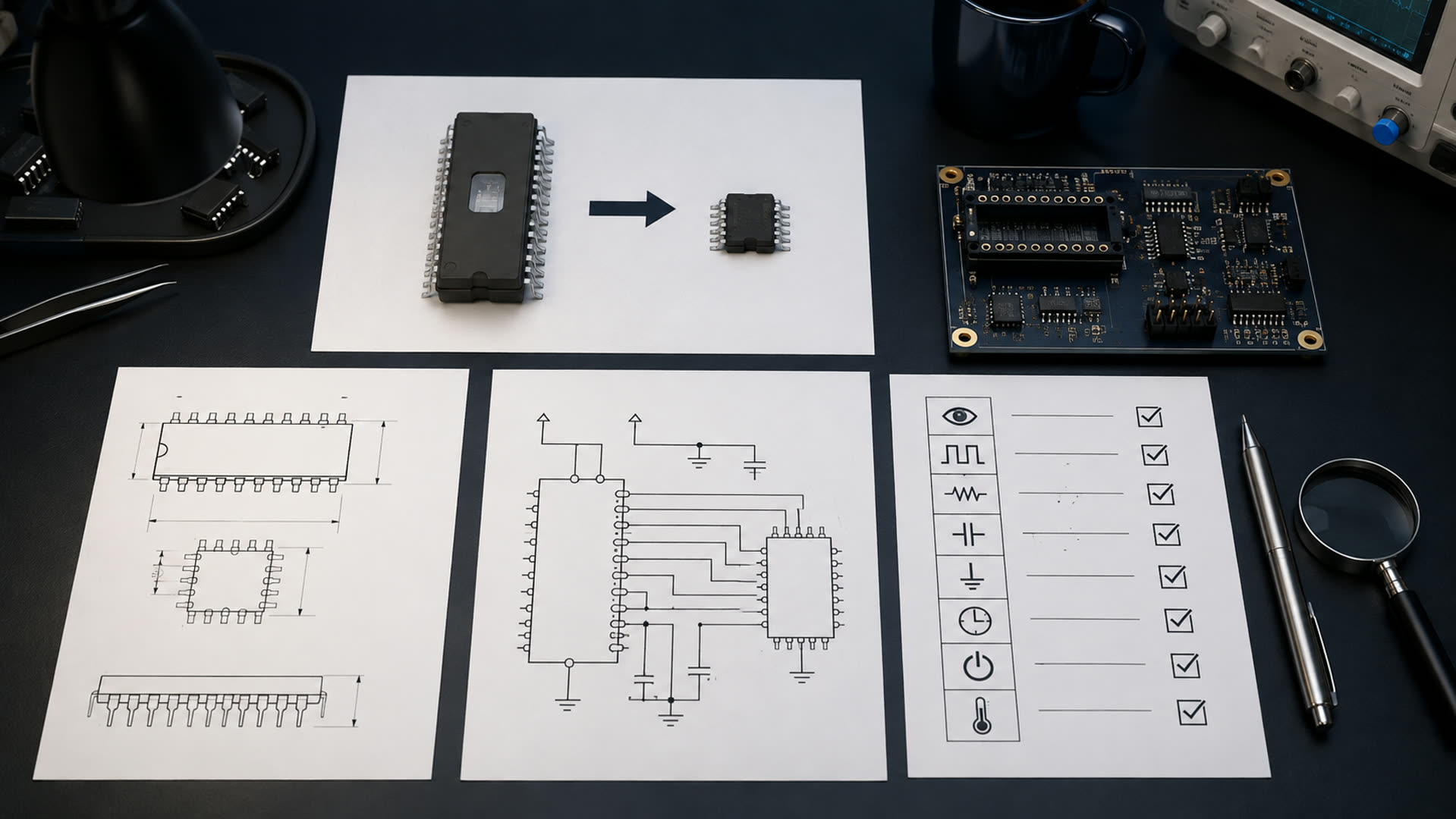
- Compare the physical and electrical basics: package, pinout, density, organization, and access method.
- Confirm the host and firmware: available interface, boot behavior, timing and driver capacity.
- Check write behavior: supply range, programming behavior, write protection and reset behavior.
- Qualify reliability: endurance and retention under actual temperature and update pattern.
- Complete quote-time checks: lifecycle, approved-vendor rules, compliance documents, quantity and delivery needs.
Common mistakes
Treating erase method as the only difference
Erase method is the headline distinction, but integration is normally the project constraint. A part cannot be approved until the bus, pinout, firmware, write timing, package, and environmental requirements also match.
Calling a serial EEPROM a compatible EPROM replacement
Compatibility requires more than equal capacity. A serial EEPROM is not a functional drop-in for a parallel EPROM without a system-level change. State whether a proposal is only a parametric option, a board-redesign candidate, or a validated replacement.
Ignoring the full orderable suffix
The base device name can hide temperature grade, package, packing, voltage family, or other ordering differences. Use the complete manufacturer part number in BOM review and RFQs.
EPROM vs EEPROM selection checklist
Use EPROM when you must support a legacy platform whose hardware and programming process already require it. Use EEPROM when a product needs electrically updateable non-volatile storage after assembly.

Need an EPROM legacy replacement review or EEPROM sourcing support?
Send the full manufacturer part number, package, quantity, voltage range, temperature requirement, application, target delivery date, and approved-alternative rules through the ApexComponent inquiry form. Current price, stock, lead time, compliance documentation, and substitute suitability require quote-time verification.
Frequently asked questions
Is EPROM the same as EEPROM?
No. Both are programmable non-volatile memories, but a UV-erasable EPROM normally needs ultraviolet light to erase its array, while EEPROM is electrically erasable and can be updated through its supported electrical interface.
Is EPROM still used?
EPROM may still appear in legacy equipment and maintenance programs. For a new design, compare lifecycle and integration requirements against available EEPROM or other non-volatile memory options.
Can I replace an EPROM with an EEPROM?
Not automatically. Check bus type, pinout, firmware, package, timing, voltage, programming workflow, and exact orderable suffix. Treat an EEPROM as a redesign candidate unless a system-level validation proves otherwise.
Does EEPROM endurance apply to every device equally?
No. Endurance depends on the exact device, test conditions, temperature, write pattern, and wear-management approach. Use the manufacturer datasheet for the specific orderable part.