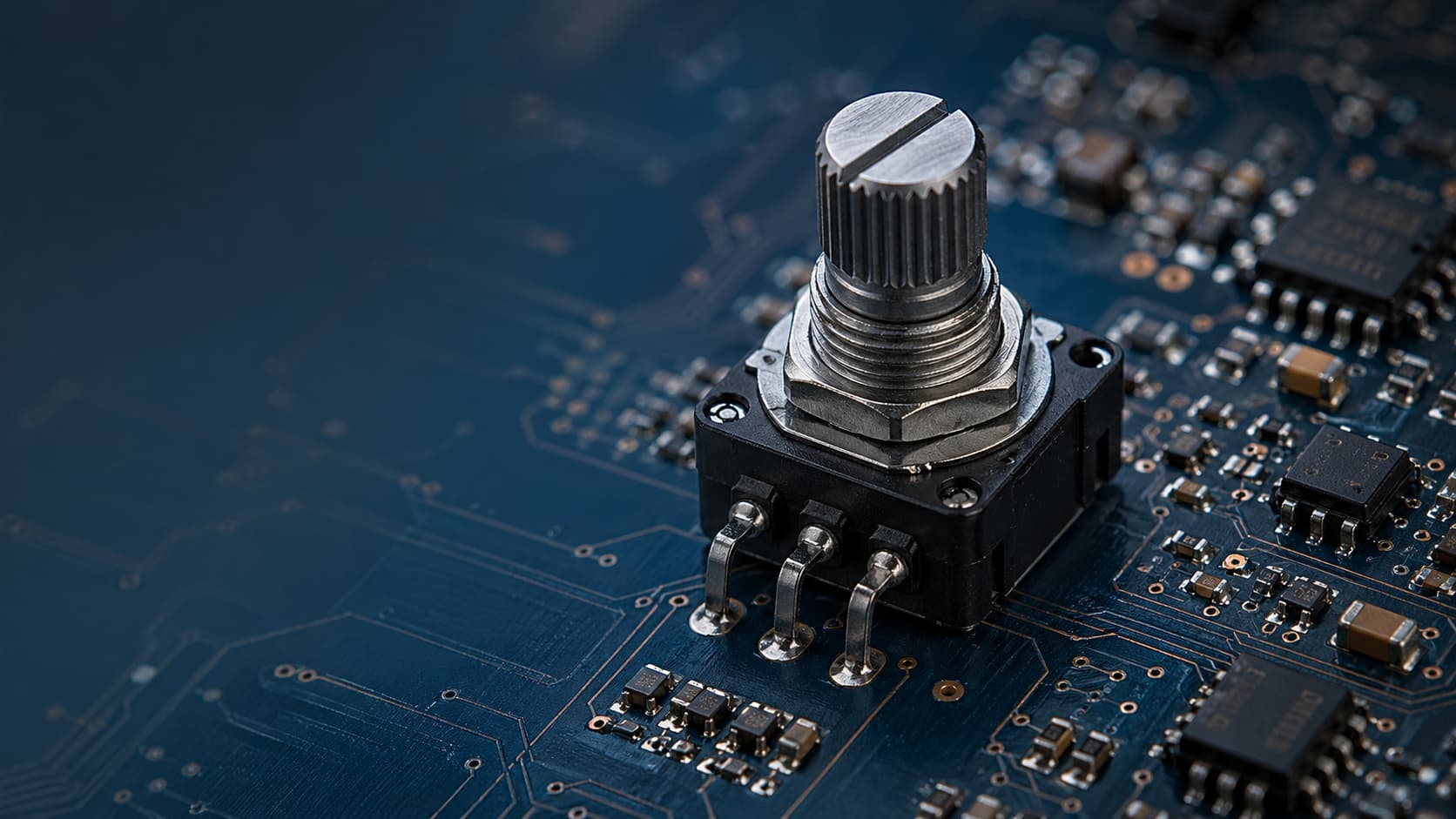
1. Introduction: The Ubiquitous Adjustable Resistor In the sophisticated landscape of modern electronics, where high-speed processors and wireless protocols dominate the headlines, the humble potentiometer remains an indispensable cornerstone. From
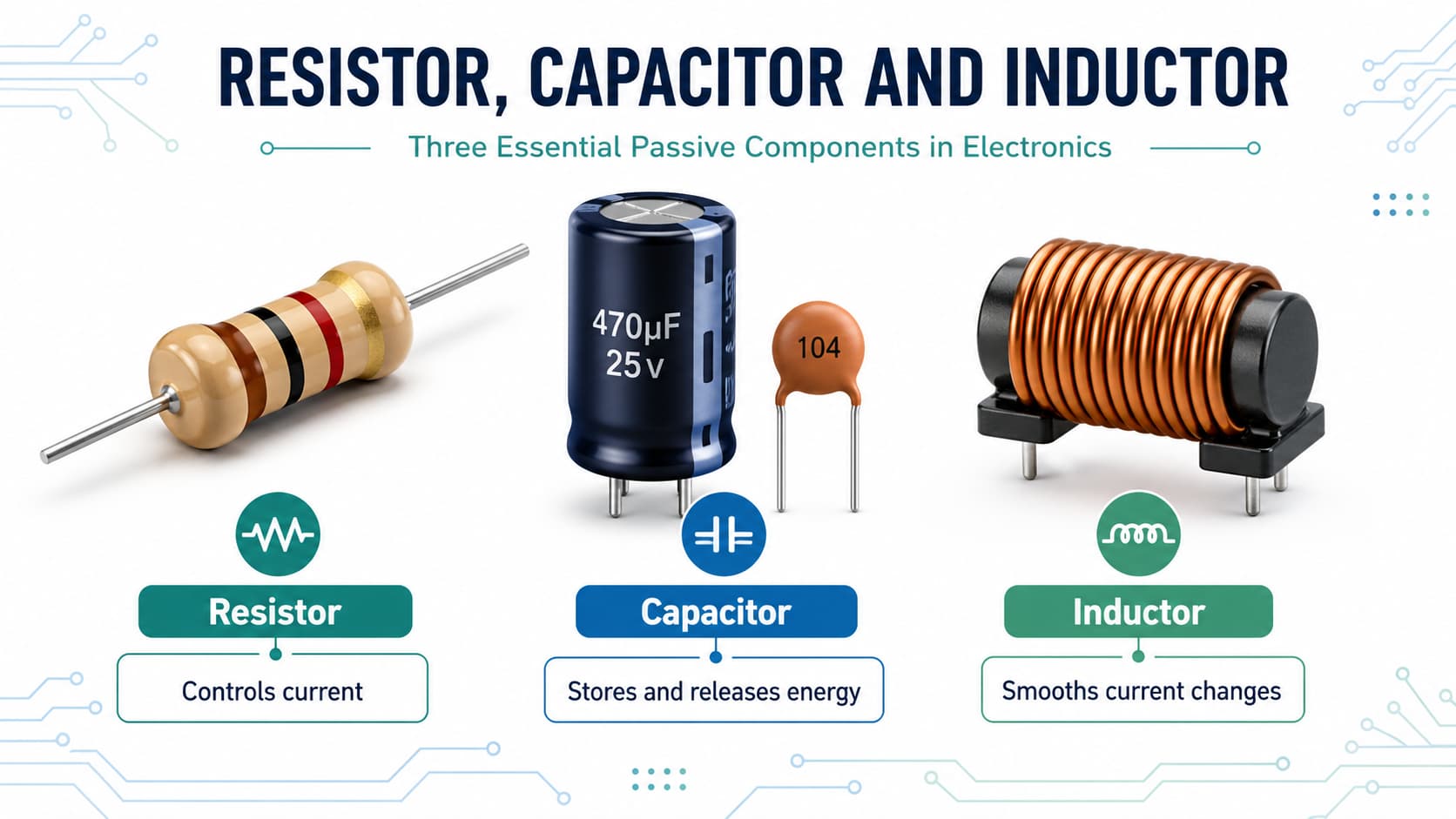
Resistor, Capacitor and Inductor Explained: Basic Electronic Components for Beginners
1.Introduction Electronic circuits need stable voltage, controlled current, and reliable energy flow. If current is too high, components may be damaged. If voltage is unstable, ICs, sensors, power modules, and
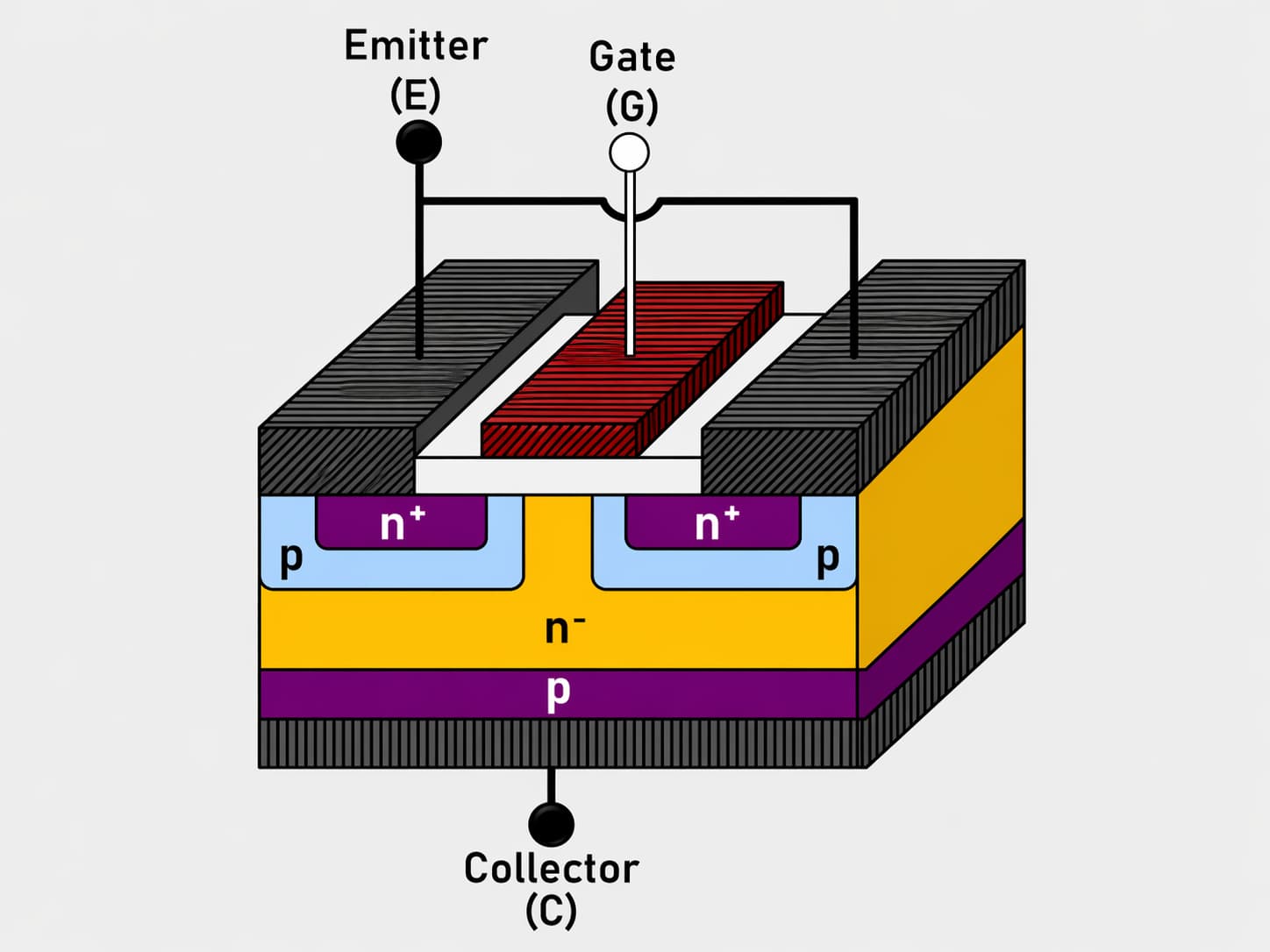
IGBT Explained: Working Principle and Applications
1.Introduction: What Is an IGBT? An Insulated Gate Bipolar Transistor (IGBT) is a type of power semiconductor device used as an electronic switch. It combines the advantages of two well-known
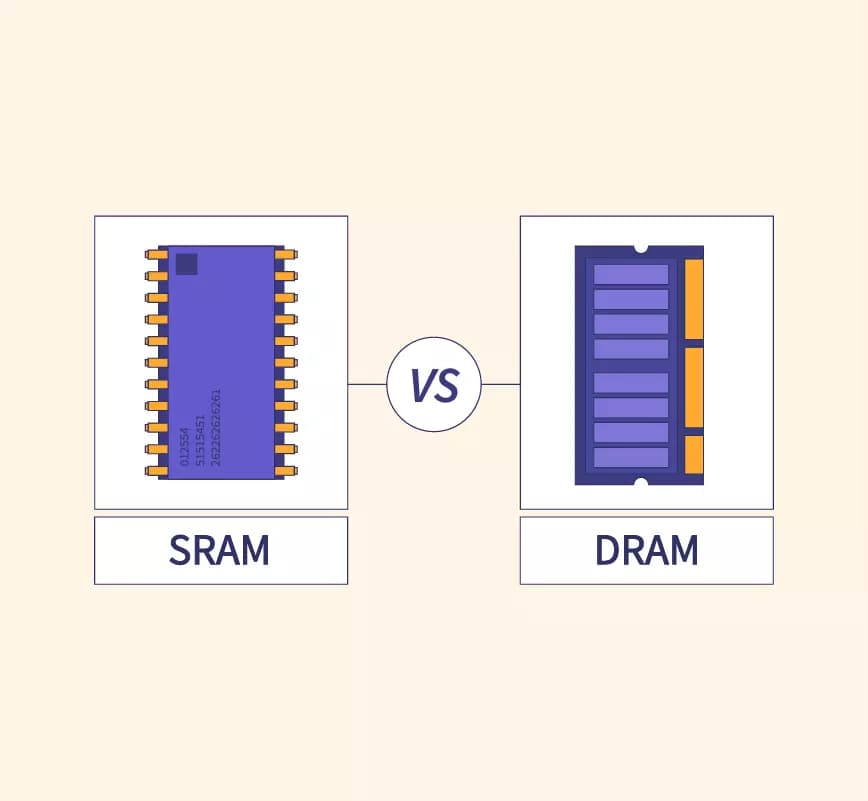
SRAM vs DRAM Explained
1. Why SRAM Is Faster but DRAM Is Better for Large Capacity When people first learn about chip memory, one common question appears quickly: both SRAM and DRAM store data,
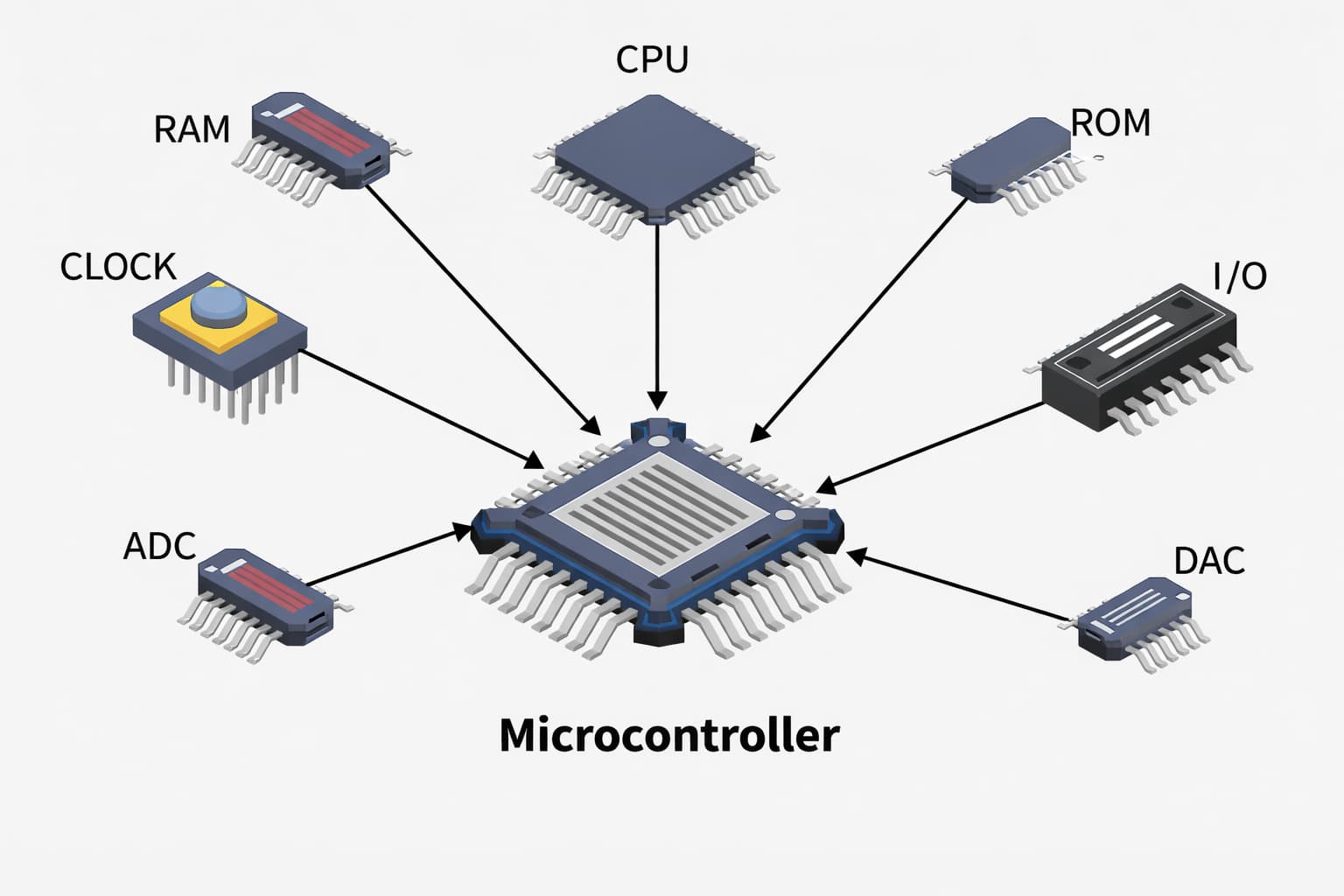
What is a Microcontroller (MCU)?
1.Definition of Microcontroller A microcontroller (Microcontroller Unit, abbreviated as MCU), also known as a single-chip microcomputer (Single-Chip Microcomputer), is essentially a miniature computer system integrated onto a single chip, widely
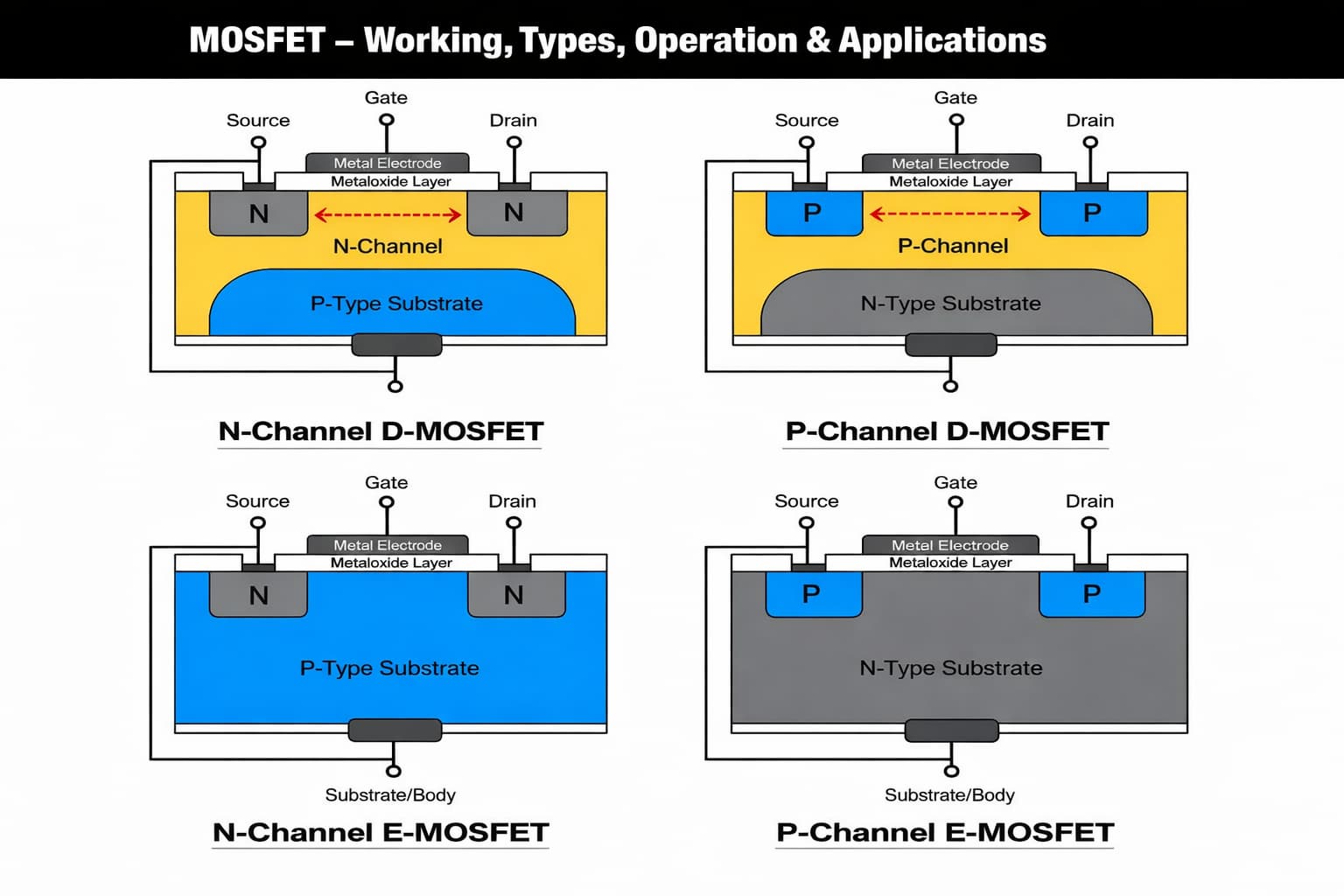
MOSFET Fundamentals: Structure, Types, and Operating Principles
1. What is a MOSFET? A MOSFET (Metal-Oxide-Semiconductor Field-Effect Transistor) is a voltage-controlled semiconductor device that regulates current through an electric field. From a device perspective: It is a core
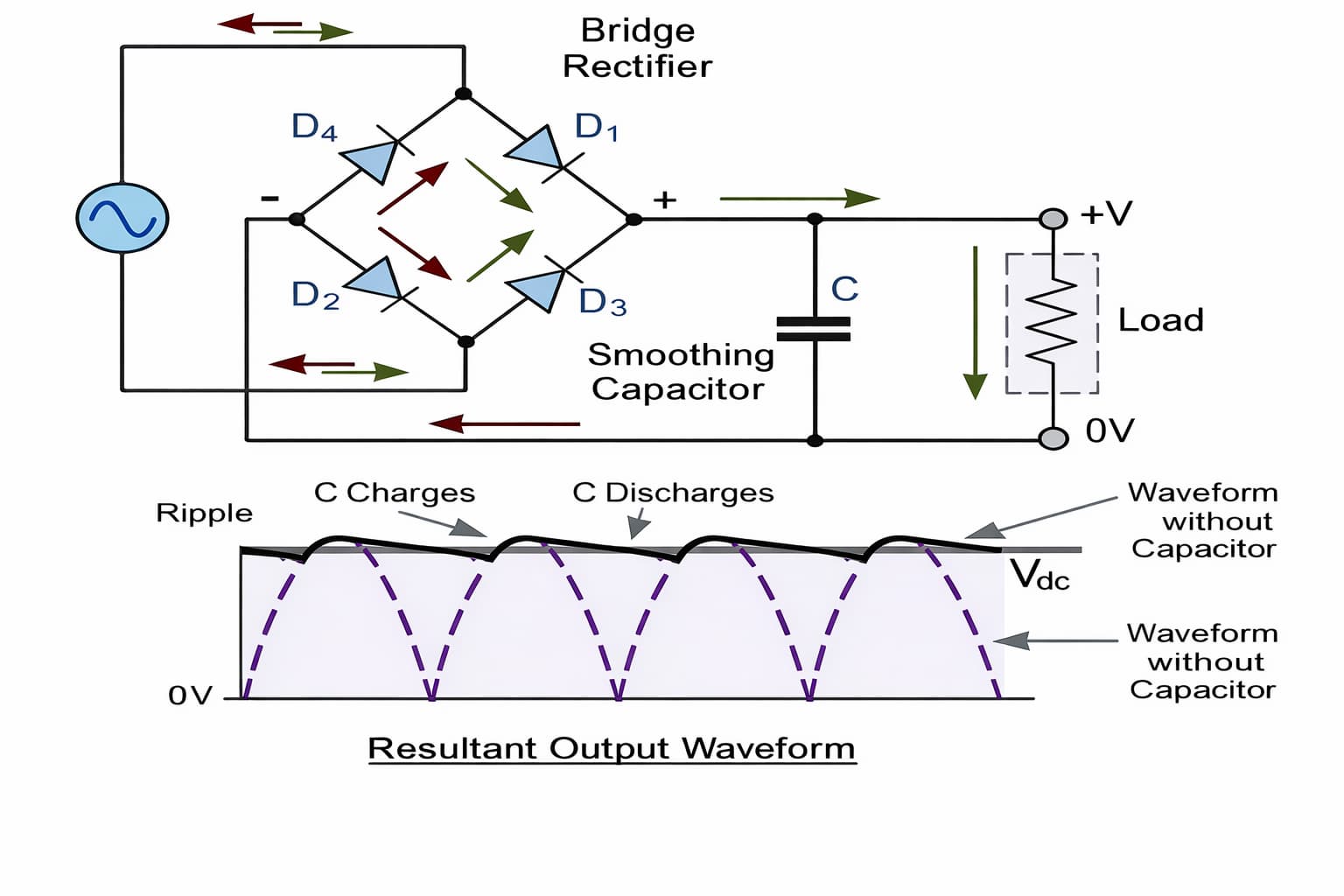
What Is a Bridge Rectifier?
1.Introduction: Why Do Electronic Devices Need a Bridge Rectifier? Definition of a Bridge Rectifier A Bridge Rectifier is a core component in AC-to-DC conversion. It uses four diodes arranged in a bridge