
Table of Contents
CSLA2GF Current Sensor Guide: Specs, Applications, and Replacement Options
Introduction
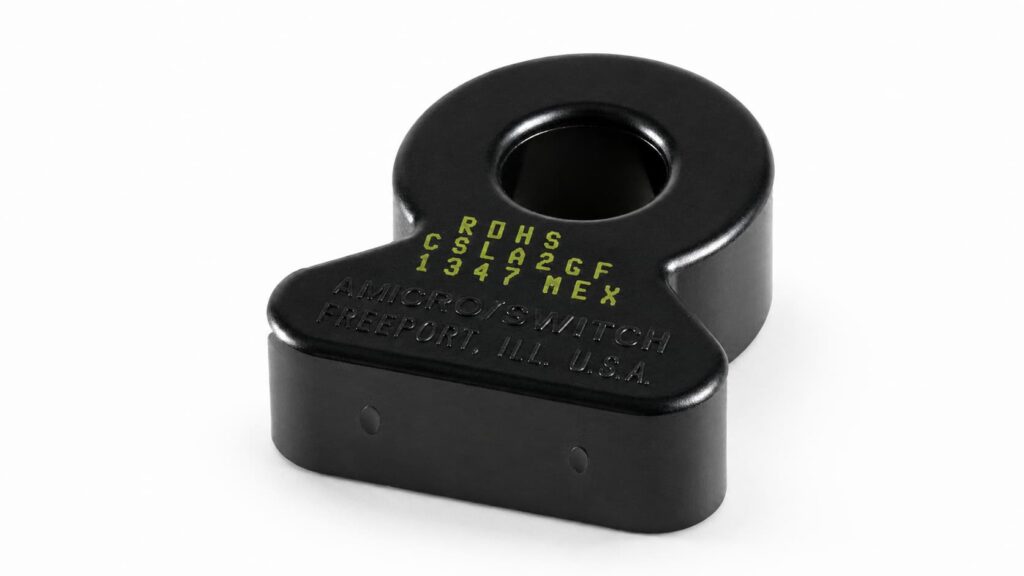
In the world of industrial power management, precision and safety are non-negotiable. The CSLA2GF is a linear current sensor that has become a staple for engineers needing to measure current accurately while maintaining electrical isolation. Manufactured by Honeywell, this component belongs to the CSLA series, known for its reliability in harsh electrical environments.
1.What Is CSLA2GF?
The CSLA2GF is an Open-loop Hall-effect current sensor. It is designed to detect both AC and DC currents by sensing the magnetic field generated by the conductor passing through the sensor’s aperture.
Hall-Effect Concept: It utilizes a Hall-effect element that generates a voltage proportional to the magnetic field strength.
Open-Loop Sensing: In an open-loop configuration, the output voltage is derived directly from the Hall element without a feedback loop, offering a cost-effective and compact solution for general-purpose sensing.
How a Current Sensor Works
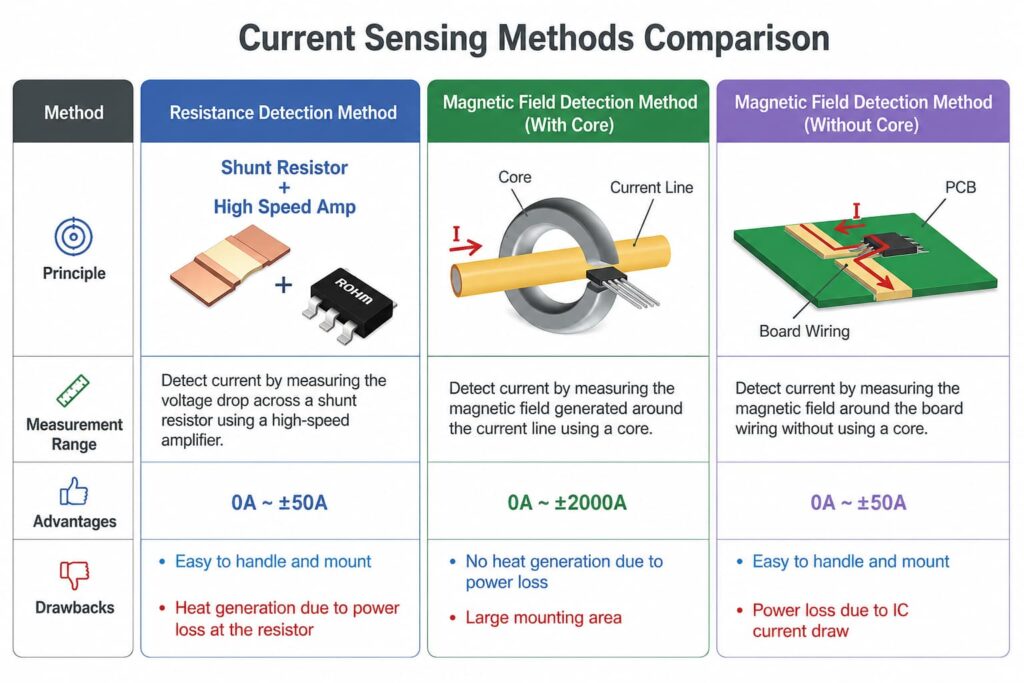
Magnetic Field Detection: When current flows through a wire, it creates a circular magnetic field.
Hall Element Interaction: The CSLA2GF contains a silicon Hall-effect chip. The magnetic field exerts a force on the charge carriers in the chip, creating a potential difference (the Hall voltage).
Electrical Isolation: One of the primary benefits of the CSLA2GF is that the measuring circuit is completely isolated from the current being measured, protecting sensitive electronics from high-voltage surges.
Key Specifications to Check
When sourcing or designing with the CSLA2GF, pay close attention to these parameters:
Current Sensing Range: The maximum current the sensor can accurately measure without saturation.
Supply Voltage: Typically operates on a single or dual supply (often 8VDC to 16VDC).
Output Type: Analog voltage (usually offset by half of the supply voltage at zero current).
Sensitivity: Measured in mV per Ampere turn (mV*N).
Accuracy & Linearity: Crucial for precision control systems.
Operating Temperature: Typically rated for industrial ranges (-25°C to +85°C).
Common Applications
Industrial Motor Control: Monitoring current to detect overloads or phase imbalances.
Power Supplies: Real-time feedback for regulated DC power systems.
Energy Monitoring: Tracking power consumption in smart grids and factory equipment.
UPS Systems: Managing battery discharge and inverter current.
Current Protection Circuits: Fast detection of fault currents in sensitive systems.
CSLA2GF Selection Guide
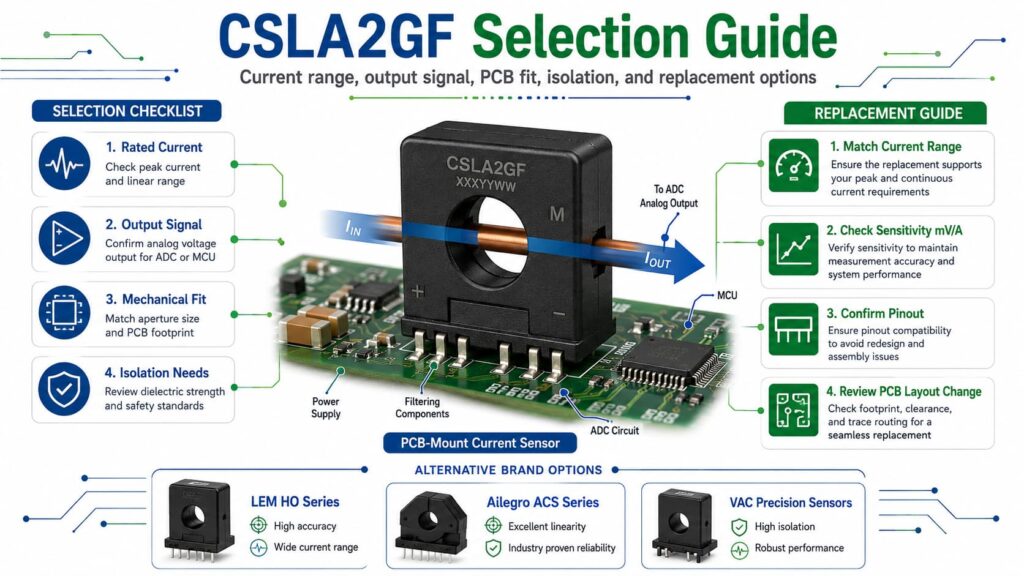
To ensure the CSLA2GF is right for your project, follow these steps:
Confirm Rated Current: Ensure your peak current does not exceed the sensor’s linear range.
Check Output Signal: Confirm your ADC or microcontroller can read the analog voltage output.
Confirm Mechanical Fit: The CSLA2GF is a PCB-mount component; ensure the aperture size matches your conductor thickness.
Review Isolation Needs: Verify the dielectric strength meets your system’s safety standards.
Replacement and Alternative Parts
If the CSLA2GF is unavailable or you are looking for a more modern equivalent:
Match Current Range First: The replacement must handle the same peak current.
Check Output Characteristics: Ensure the sensitivity (mV/A) matches to avoid firmware recalibration.
Confirm Pinout: Honeywell’s CSLA series has specific mounting footprints; alternatives from brands like LEM or Allegro may require a PCB layout change.
Brand Options: Consider equivalents from LEM (HO series), Allegro (ACS series), or Vacuumschmelze (VAC) for high-precision requirements.
Common Mistakes
Wrong Range: Using a 50A sensor for 5A measurements leads to poor resolution.
Ignoring Thermal Drift: Hall sensors can be temperature-sensitive; ensure your design accounts for drift if used in hot enclosures.
Output Mismatch: Connecting a 12V output sensor to a 3.3V microcontroller without a voltage divider.
Comparison Tables
Table 1: CSLA2GF Specification Checklist
| Parameter | Value / Detail |
|---|---|
| Sensing Type | Open-Loop Hall Effect |
| Current Type | AC, DC, Pulsed |
| Supply Voltage | 8.0 Vdc to 16.0 Vdc |
| Mounting | PCB Through-hole |
| Output Type | Sink/Source Analog |
Table 2: Alternative Part Review Table
| Manufacturer | Series | Comparison Note |
|---|---|---|
| Honeywell | CSLA Series | Same family, different sensitivity/housing |
| LEM | HO / HLSR | Modern, compact, often higher precision |
| Allegro | ACS758 / ACS770 | IC-style, very compact, may need PCB redesign |
FAQ
1. What is CSLA2GF used for? It is primarily used for non-contact current measurement in motor controls, power supplies, and industrial equipment.
2. Can I use it for DC current? Yes, Hall-effect sensors like the CSLA2GF are excellent for both AC and DC measurement.
3. How do I calibrate a replacement sensor? If the sensitivity differs from the original, you must update the gain/scaling factor in your system software to ensure accurate readings.
Conclusion
The CSLA2GF remains a reliable choice for industrial current sensing. Successful implementation or replacement depends on a precise match of electrical specs and mechanical mounting.
Managing a BOM with Honeywell CSLA2GF or searching for high-reliability current sensor alternatives? Our team specializes in sensor cross-referencing and inventory support. Send us your sensor part numbers today for a professional availability check and alternative sourcing analysis.