DC-DC Converters
Find DC-DC converter ICs and power modules by buck, boost, buck-boost, isolated type, voltage requirement, module format and part number.
BOM MatchingPart number and quantity review
Alternative SourcingReplacement options by requirement
Datasheet ReviewPinout and package checks
RFQ SupportProduction and repair sourcing
Find the Right DC-DC Converter Type
Start with the conversion direction and isolation requirement, then narrow the result by voltage, current, power, package and module constraints.
Buck Converters
Step-down conversion when the input voltage is higher than the output rail.
View buck optionsBoost Converters
Step-up conversion for battery, sensor, LED and small module power rails.
View boost optionsBuck-Boost Converters
For rails where input voltage may be above or below the output voltage.
Compare topologiesIsolated DC-DC
Isolation support for industrial, communications and power system designs.
Review isolated partsConverter Modules
Ready-to-use DC-DC modules when design time and board complexity matter.
Check modules12V / 24V Requirements
Share input and output voltage requirements for sourcing and alternative review.
Send requirementDC-DC Converter Buyer Questions
Use these questions to turn a broad converter request into a clear sourcing direction before choosing a part number or replacement.
?What type of DC-DC converter do I need?
Start with the voltage relationship and whether the design needs isolation.
- Use buck when output voltage is lower than input.
- Use boost when output voltage is higher than input.
- Use isolated DC-DC when ground separation or safety spacing matters.
?Should I choose a converter IC or a module?
An IC gives more design control, while a module can reduce layout work and simplify replacement sourcing.
- Choose ICs for controlled BOM cost and custom layouts.
- Choose modules for faster repair, replacement or small-batch projects.
- Check module footprint and pinout before approving a substitute.
?How do I compare 12V and 24V converter requests?
Do not treat all voltage terms as the same page or product group. The direction and load current change the sourcing path.
- 12V to 5V is usually a step-down requirement.
- 12V to 24V is usually a step-up requirement.
- 24V to 12V often appears in industrial and vehicle systems.
?When is an alternative DC-DC part acceptable?
A replacement should be checked against electrical fit, mechanical fit and procurement risk.
- Match topology, voltage range, current and thermal condition.
- Confirm package, pinout, module size and approved manufacturer.
- Review datasheet conditions instead of matching only by headline output voltage.
?What information should I send for a quote?
The fastest RFQ path is a complete part number or a short requirement summary.
- Part number, quantity and target delivery date.
- Input voltage, output voltage, load current and topology.
- Approved brands, package constraints and replacement notes.
?Why source DC-DC converters through ApexComponent?
The page should answer procurement confidence questions, not only display converter names.
- BOM matching and RFQ support for multiple converter lines.
- Alternative review for constrained or obsolete parts.
- Package, marking and datasheet cross-check before purchasing.
DC-DC Converter Product Finder
Browse selected DC-DC converter ICs, controllers and power modules by topology, then open the product page for package and sourcing details.
| Part / Family | Topology | Product Focus | Key Checks | Action |
|---|---|---|---|---|
| LM2675Texas Instruments | Buck | Step-down DC-DC converter IC for regulated power rails. | PDIP-8, SOIC-8 and WSON-16 package options. | View Product |
| TPS54334Texas Instruments | Buck | Synchronous buck converter for compact step-down designs. | HSOIC-8 and VSON-10 package options. | View Product |
| LM5007Texas Instruments | HV Buck | High-voltage buck converter for wide-input industrial rails. | VSSOP-8 and WSON-8 package options. | View Product |
| TPS62740Texas Instruments | Low-IQ Buck | Low-IQ buck converter for battery-powered step-down regulation. | WSON-12 package for compact low-power layouts. | View Product |
| LM27313Texas Instruments | Boost | Step-up DC-DC converter IC for boost power rails. | SOT-23-5 package for space-constrained designs. | View Product |
| TPS63020Texas Instruments | Buck-Boost | Buck-boost converter for rails that need step-up and step-down operation. | VSON-14 package for compact power designs. | View Product |
| LMZ31704Texas Instruments | Module | DC-DC power module with integrated magnetics for point-of-load use. | BGA-42 module package. | View Product |
| LM5025Texas Instruments | Isolated | Isolated DC-DC controller for flyback, forward or bridge power conversion. | HTSSOP-16 and WQFN-16 package options. | View Product |
| LM53602-Q1Texas Instruments | Automotive | Automotive DC-DC converter for vehicle power conversion. | VQFN-10 package for automotive power layouts. | View Product |
| TPS546D24ATexas Instruments | PoL Digital | High-current digital power converter for point-of-load rails. | VQFN-40 package for high-current digital power designs. | View Product |
How to Select a DC-DC Converter
Select the right converter by matching topology, electrical range, package format and sourcing requirements before choosing a part number.
Choose the Conversion Topology
Use a buck converter for step-down rails, a boost converter for step-up rails, a buck-boost converter for variable input rails, or an isolated converter when ground separation is required.
Match Voltage and Load Current
Check the input voltage range, target output voltage, continuous load current, peak load current and startup margin before selecting a device.
Check Efficiency and Thermal Conditions
Review switching frequency, inductor selection, package dissipation, airflow and PCB layout limits for stable operation.
Confirm Package and Supply Fit
Compare package, pinout, module footprint, manufacturer status and replacement options before approving a converter for purchase.
DC-DC Converter Type Comparison
Use this table to compare common DC-DC converter types and choose the right product group by voltage direction, isolation need and module format.
| Type | Best For | Key Checks | Suggested Page |
|---|---|---|---|
| Buck Converter | Stepping down from a higher input rail to a lower output rail. | Output current, switching frequency, inductor, heat, EMI and package. | Buck products |
| Boost Converter | Generating an output voltage higher than the available input voltage. | Switch current, diode or synchronous path, inductor saturation and thermal margin. | Boost products |
| Buck-Boost Converter | Maintaining output when input may be above or below the target rail. | Mode transition, ripple, control loop, efficiency and layout requirements. | Buck-boost options |
| Isolated DC-DC | Industrial, communications and power systems needing ground isolation. | Isolation voltage, regulation, safety requirement, EMI and package format. | Isolated modules |
| DC-DC Module | Fast sourcing and simpler board design when a prebuilt converter is acceptable. | Pinout, module dimensions, derating, heatsinking and manufacturer availability. | Module sourcing |
Application Requirements
Match each DC-DC converter application with the right electrical, package and sourcing requirements before selecting a part.
Industrial Control
Review isolation, input transients, temperature, long-term supply and module derating.
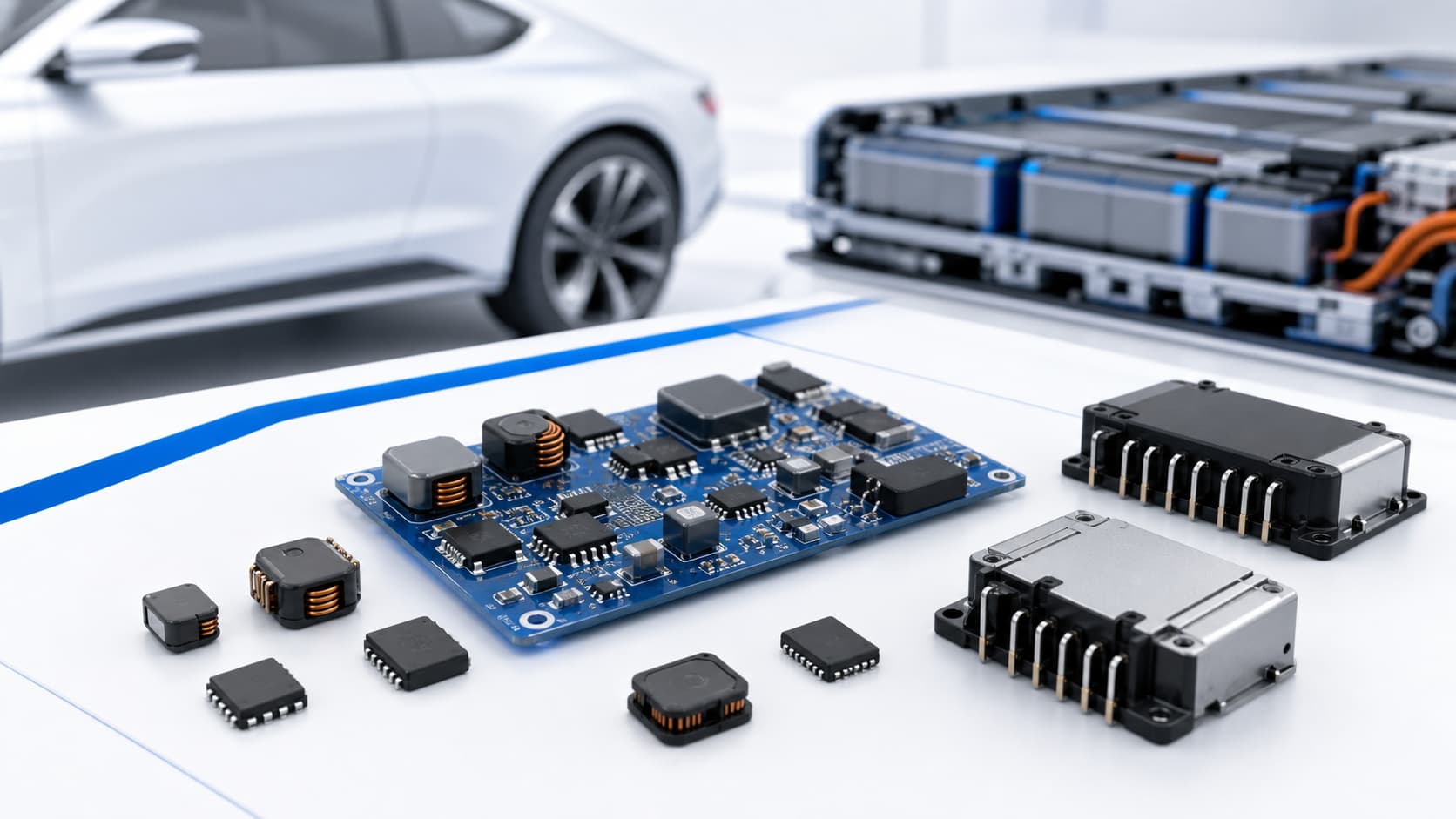
Automotive and Battery Systems
Confirm 12V or 24V rails, surge conditions, standby power and enclosure limits.
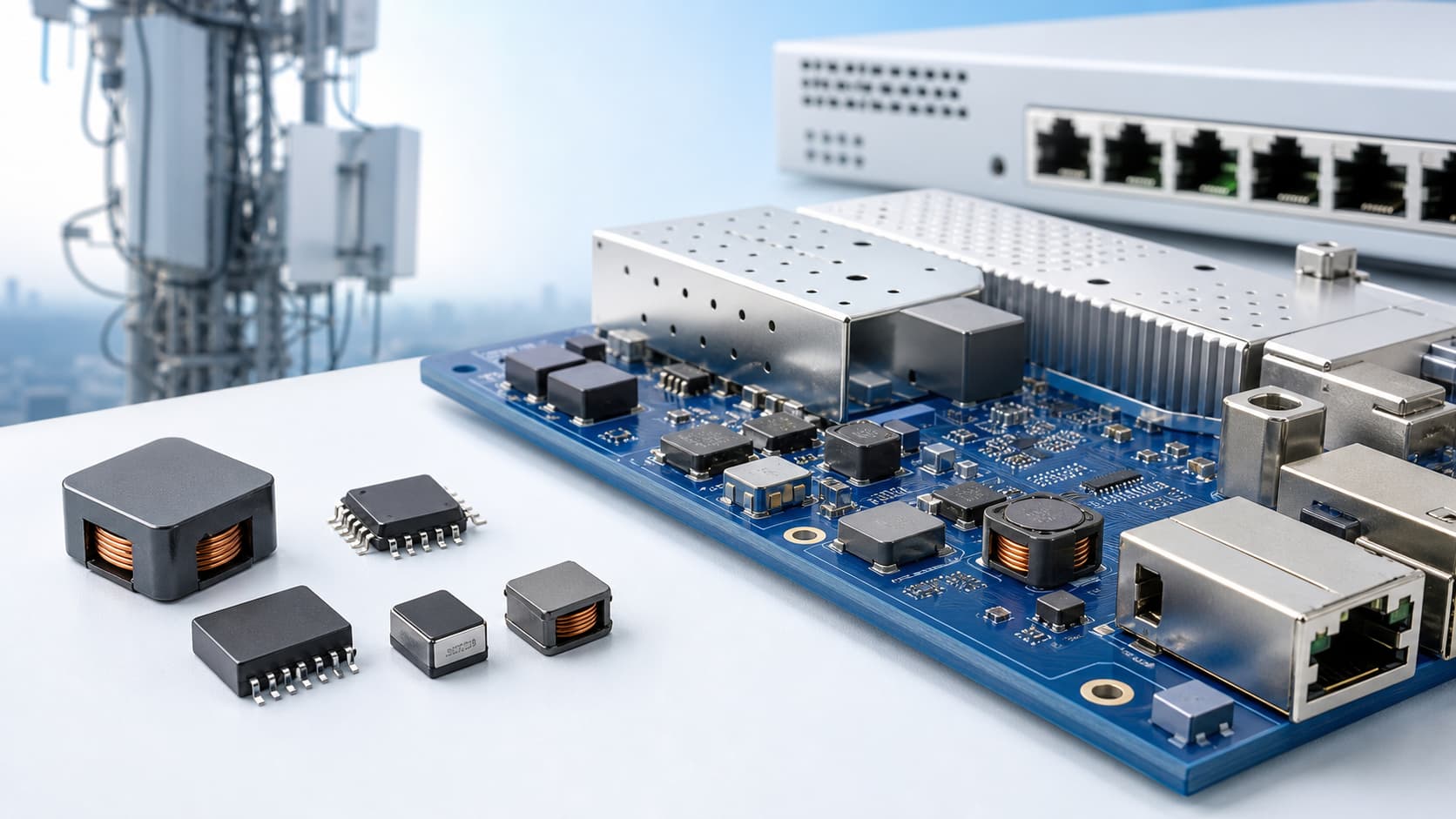
Communications Equipment
Check isolation, EMI, output ripple, thermal margin and supply continuity.
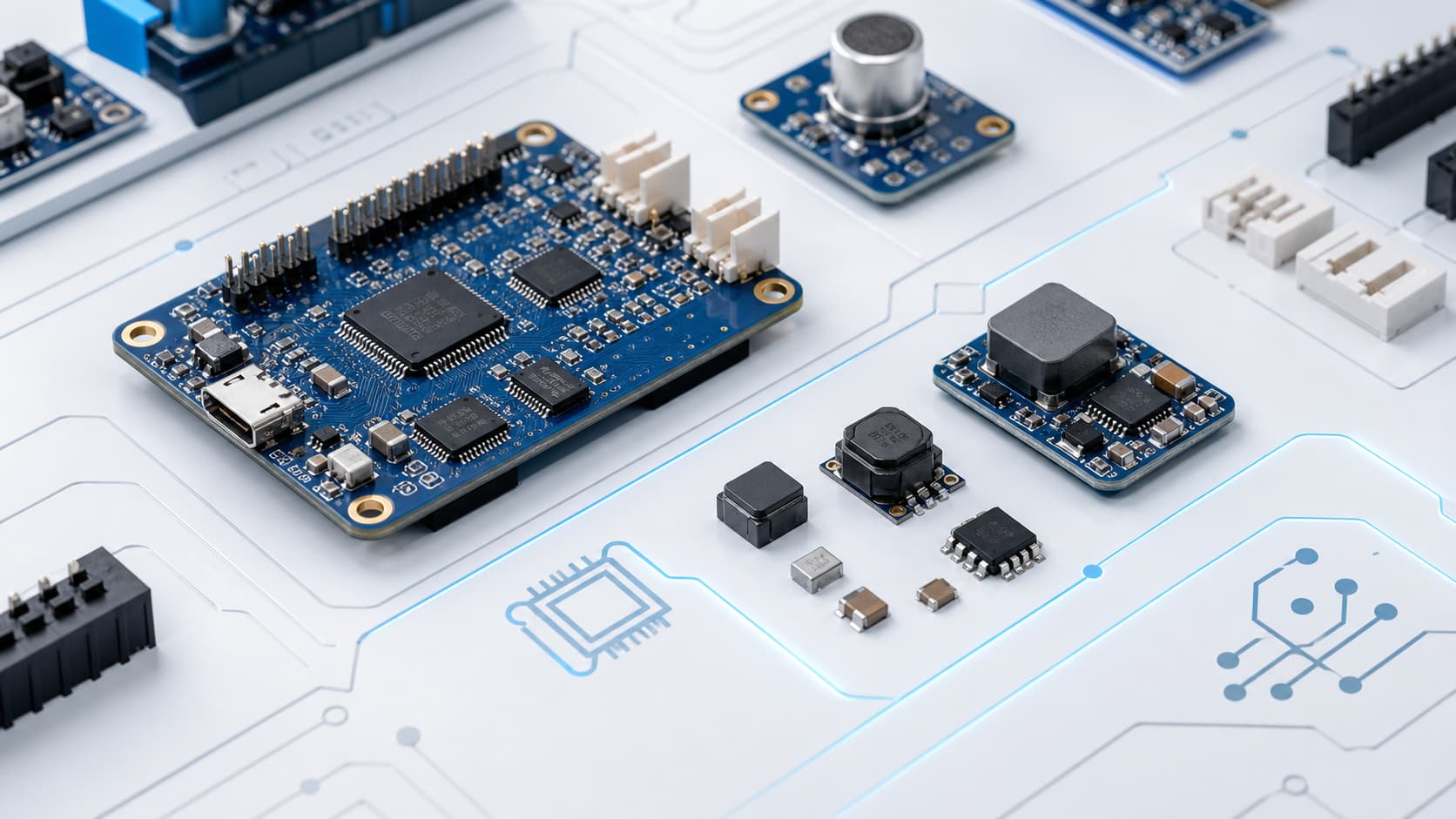
Embedded Systems
Match MCU, sensor and logic rails by current, ripple, package and board area.
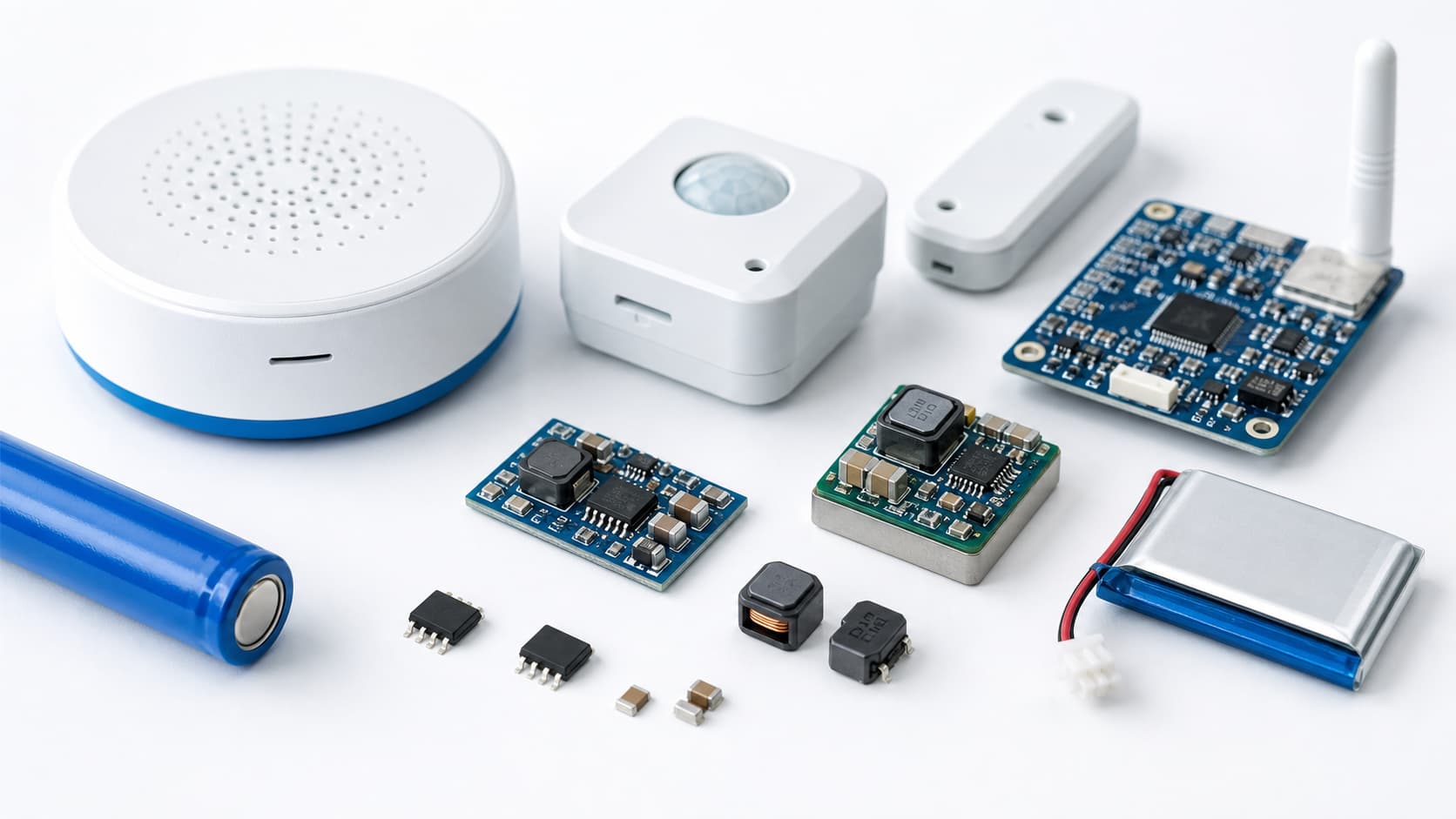
IoT and Sensor Devices
Balance efficiency, quiescent current, load profile and small module footprint.
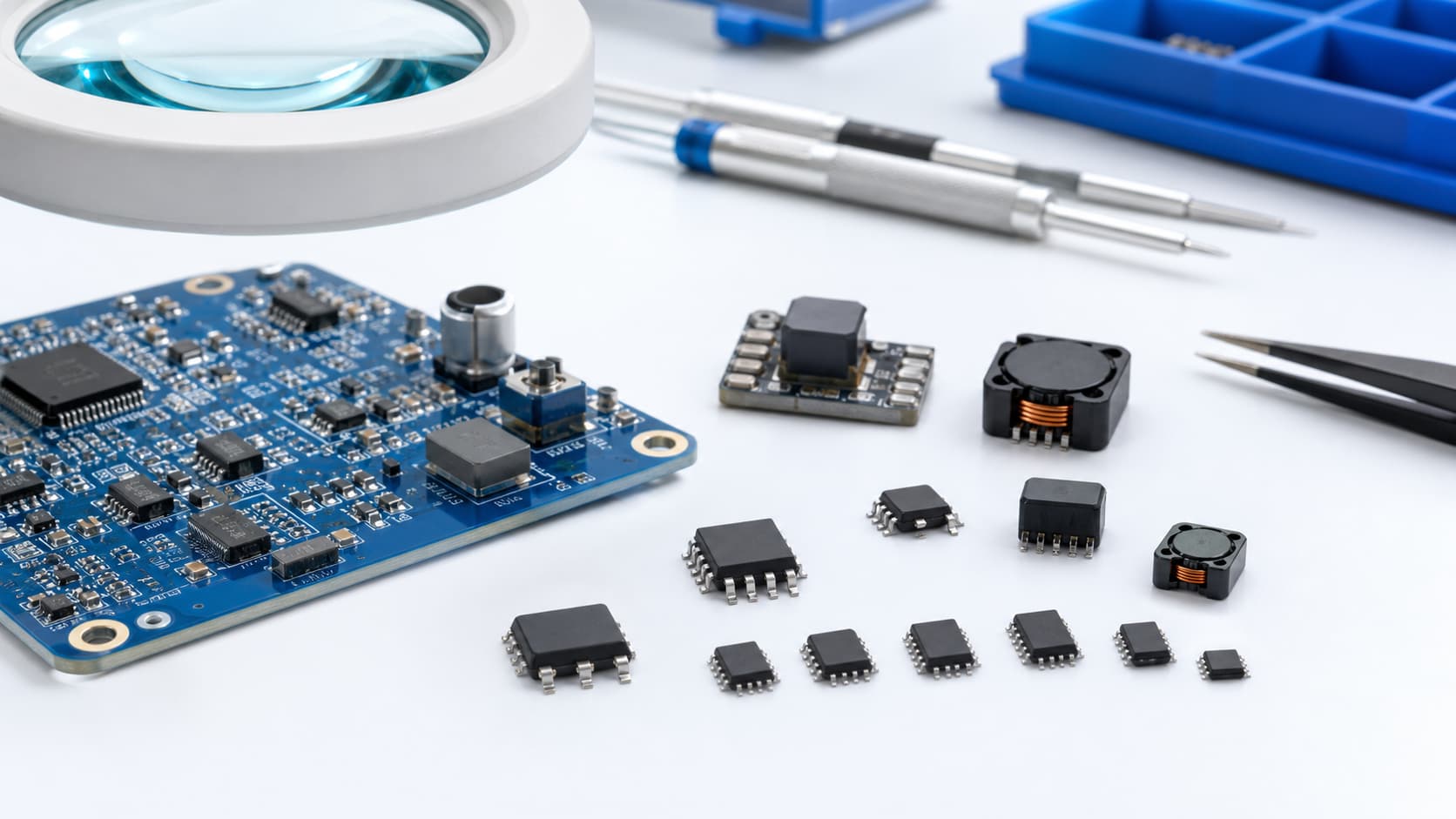
Repair and Replacement
Validate part marking, package, pinout, module footprint and approved alternatives.
Related DC-DC Resources
Use these resources to compare converter types, review common model pages and move from selection questions to product sourcing.
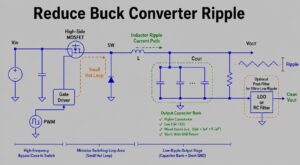
How to Reduce Ripple Voltage in a Buck Converter
To reduce ripple voltage in a buck converter, first confirm...
Read MoreHow DC-DC Converter Works: Buck, Boost and Selection Guide
A DC-DC converter is a power circuit that converts one...
Read MoreBuck vs Boost Converter: What Is the Difference?
Introduction In the complex landscape of modern electronics, the ability...
Read MoreDC-DC Converter FAQ
What does a DC-DC converter do?
A DC-DC converter changes one DC voltage level into another DC voltage level so a circuit can power processors, sensors, communication modules, batteries or industrial control rails from the available input supply.
What is the difference between a buck converter and a boost converter?
A buck converter steps a higher input voltage down to a lower output voltage. A boost converter steps a lower input voltage up to a higher output voltage.
When should I use a buck-boost DC-DC converter?
Use a buck-boost converter when the input voltage may be higher or lower than the required output voltage, such as battery-powered systems where the input rail changes during discharge.
When should I choose an isolated DC-DC converter?
Choose an isolated DC-DC converter when the design needs ground separation, safety isolation, noise reduction or power-domain separation between the input and output side.
Should I choose a DC-DC converter IC or a power module?
A converter IC gives more layout flexibility and cost control, while a module can reduce design work because key power components are already integrated. The right choice depends on board space, volume, thermal margin and engineering resources.
What information should I provide for a DC-DC converter quote?
Provide the target part number if available, input voltage range, output voltage, load current, topology, package or module size, quantity, approved manufacturer and delivery requirement.
Can ApexComponent help find DC-DC converter alternatives?
Yes. Share the original part number, package, module version, quantity and application constraints so alternatives can be reviewed for electrical fit, mechanical fit and sourcing availability.
Can I replace a DC-DC converter by matching only the output voltage?
No. Output voltage alone is not enough. Check topology, input range, output current, pinout, package, switching frequency, thermal condition, compensation needs and approved manufacturer before approving a replacement.
What package details matter when sourcing DC-DC converters?
Confirm the package code, footprint, pin count, exposed pad, module dimensions, height limit and any orderable suffix because similar part numbers may have different mechanical or thermal requirements.
Which DC-DC converter types are common in automotive, industrial and IoT designs?
Automotive and industrial systems often use buck, isolated and wide-input converters, while IoT and sensor devices often prioritize low-power buck converters, compact modules and low quiescent current solutions.
Need DC-DC Converter Sourcing Support?
Send your BOM, target part number, voltage requirement or replacement concern. ApexComponent can help review sourcing options before quotation.