EEPROM Memory ICs

Compare Serial EEPROM Memory ICs

Compare serial EEPROM memory ICs by I2C or SPI interface, density, voltage, endurance, temperature grade, package and exact manufacturer part number. Use the technical resources below to prepare an RFQ or BOM review.

In-Depth Technical Specs
Unbiased Comparisons
Strategic Selection Guides

What is EEPROM?

EEPROM (Electrically Erasable Programmable Read-Only Memory) is a non-volatile memory technology designed to store small amounts of essential data that must persist across power cycles. It allows for in-system, byte-level electrical programming and erasing.

Non-Volatile Storage

Retains stored information reliably even when power is completely removed from the system.

Byte-Level Modification

Unlike flash memory, EEPROM allows reading, erasing, and writing at the individual byte level.

In-System Programmable

Can be updated while fully installed within the host circuit, without requiring specialized external programming equipment.

Configuration Data

Ideal for storing device MAC addresses, calibration parameters, user settings, or system state data.

Structure & Working Mechanism

The core mechanism relies on the Floating-Gate Transistor. It features an electrically isolated gate situated between the control gate and the substrate.

Fowler-Nordheim Tunneling

The primary physical process for altering EEPROM data states.

  • Programming (Write): A controlled electric field drives electrons through the tunnel oxide into the floating gate, increasing the cell threshold voltage.
  • Erasing: Reversing the field removes stored charge from the floating gate through the tunnel oxide, resetting the cell state.
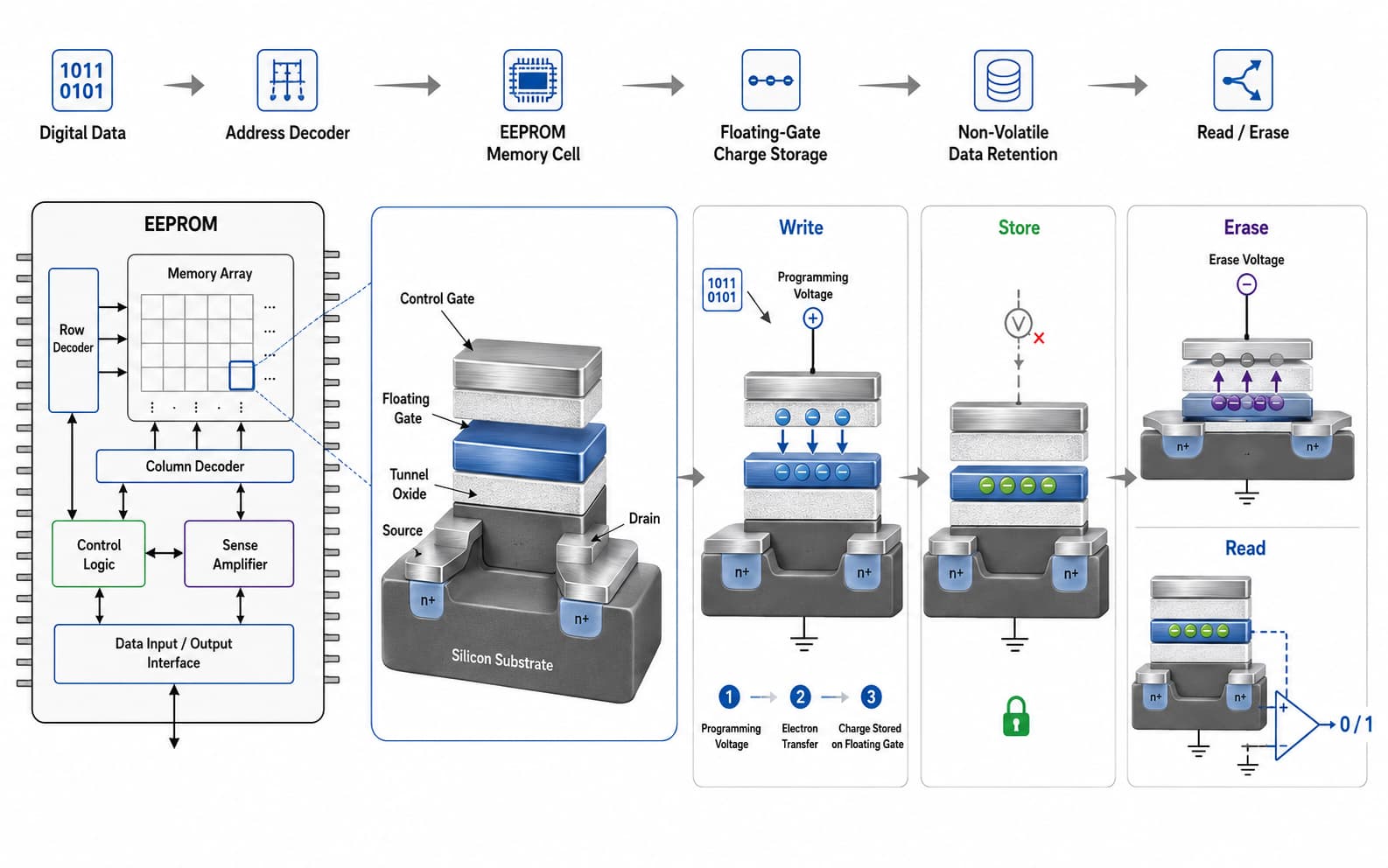
Corrected EEPROM floating-gate cell diagram showing Fowler-Nordheim tunneling for write and erase operation
Technical check: the diagram uses Fowler-Nordheim tunneling for EEPROM write and erase behavior, matching the mechanism described in this section.

Memory Technologies Comparison

Feature EEPROM EPROM Flash Memory
Erasure Method Electrical UV Light Electrical
Erasure Granularity Byte-level Entire Chip Block/Sector-level
Write Speed Slow (ms range) Slow Fast (us range)
In-System Updatable Yes No (Needs removal) Yes
Endurance (Cycles) ~100,000 to 1,000,000 Low ~10,000 to 100,000
Typical Use Case Small Config Data Legacy Firmware Bulk Code/Data Storage

Values are general selection references. Always verify endurance, write time, and erase behavior against the manufacturer datasheet for a specific part number.

Why EEPROM is Still Relevant Today

Despite the dominance of Flash memory for high-capacity storage, EEPROM maintains a critical stronghold in the electronics industry. Its unique combination of byte-level erasability, superior write endurance (up to 1M+ cycles), and robust reliability across extreme temperatures makes it irreplaceable for storing small amounts of frequently updated, mission-critical parameters. It remains the gold standard for configuration memory in industrial control systems, automotive sensor calibration, and specialized medical devices where data integrity cannot be compromised.

Streamline Purchasing with BOM Upload

Drag and drop your Bill of Materials (Excel/CSV). Our team can cross-reference parts, review inventory options, and prepare a quote for your EEPROM needs.

  • Cross-referencing for exact matches and alternatives
  • Stock, pricing, and lead-time review for available lines
  • Formal quote support for EEPROM sourcing projects

Upload BOM File

Submit your .xlsx or .csv file for quote review.

Browse Files

Key Industry Applications

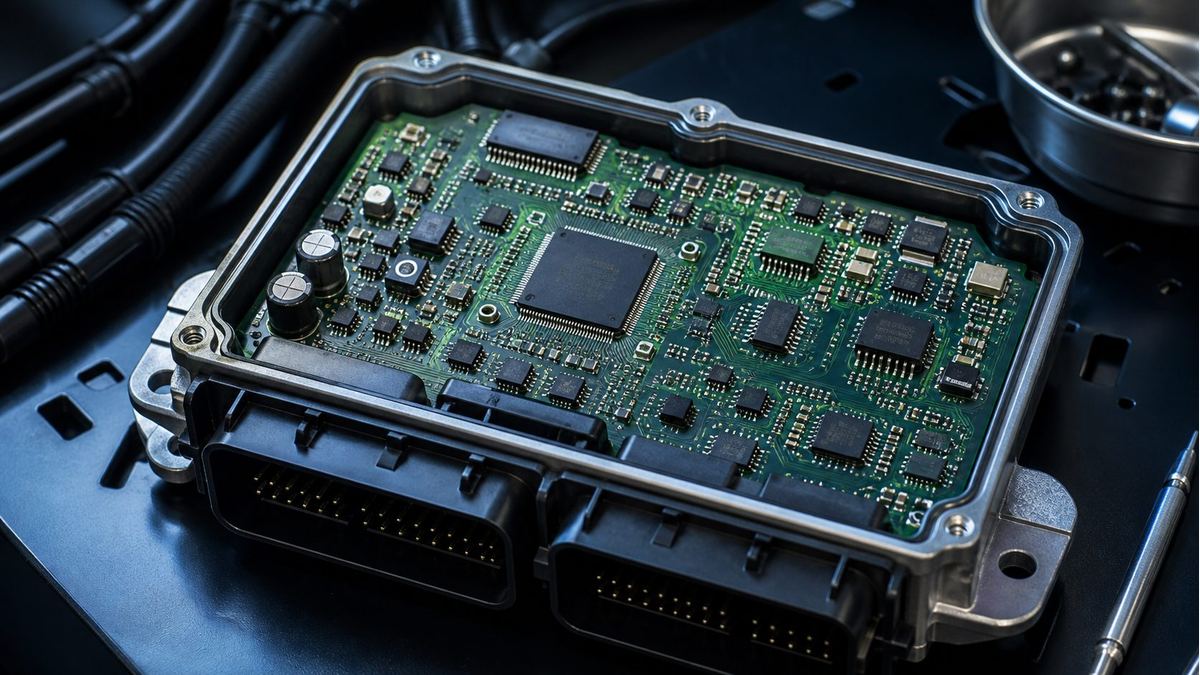
Automotive ECU circuit board for EEPROM calibration data storage

Automotive

Storing ECU calibration parameters, odometer readings, and critical fault logs in high-temperature environments.
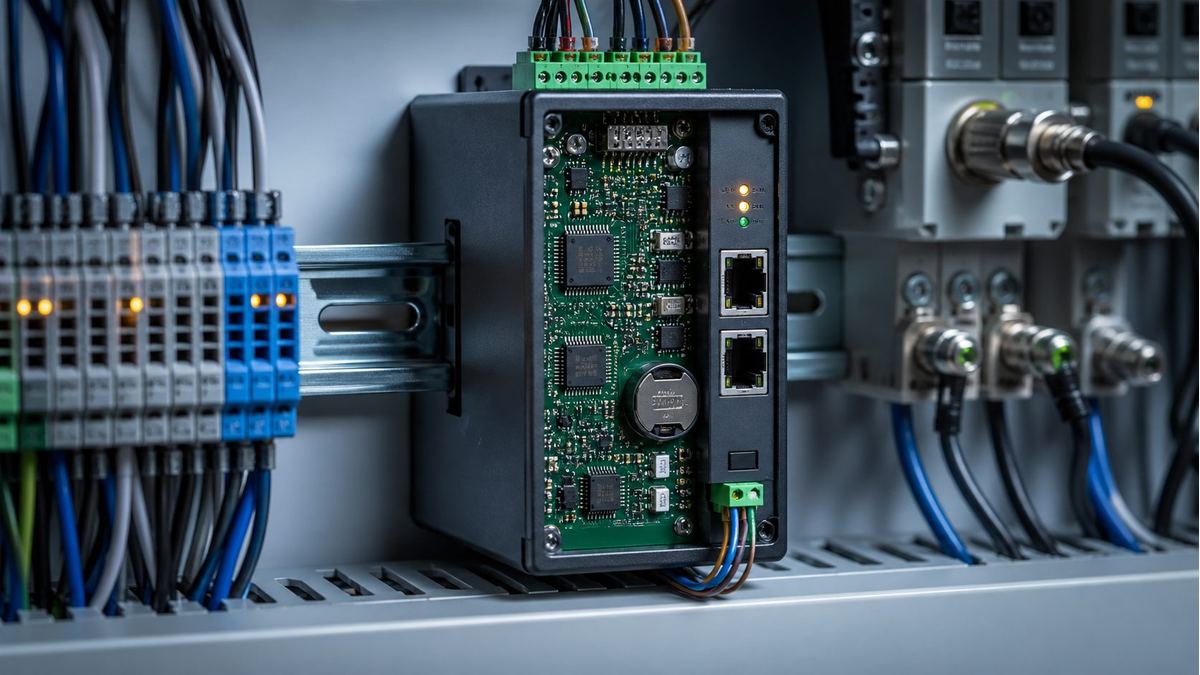
Industrial IoT gateway electronics for EEPROM machine state storage

Industrial IoT

Retaining machine state, network MAC addresses, and operational profiles during power outages or remote restarts.
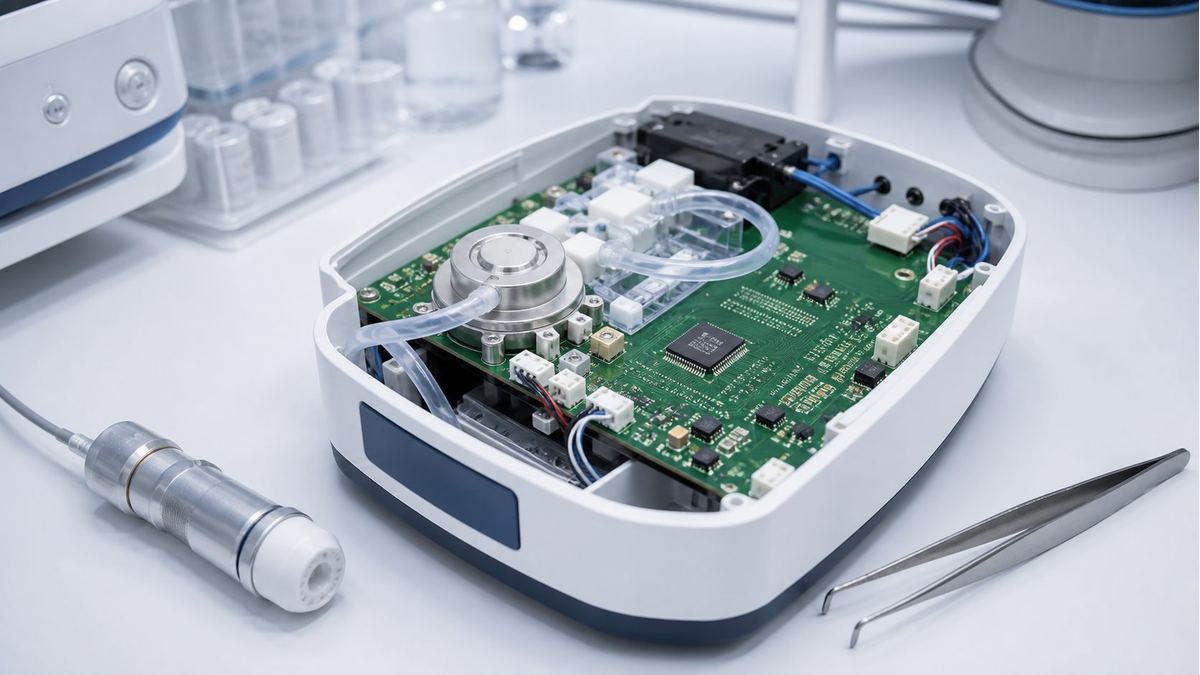
Medical diagnostic device circuit board for EEPROM calibration and settings storage

Medical Devices

Secure storage of patient settings, diagnostic calibration data, and device serial numbers ensuring high reliability.
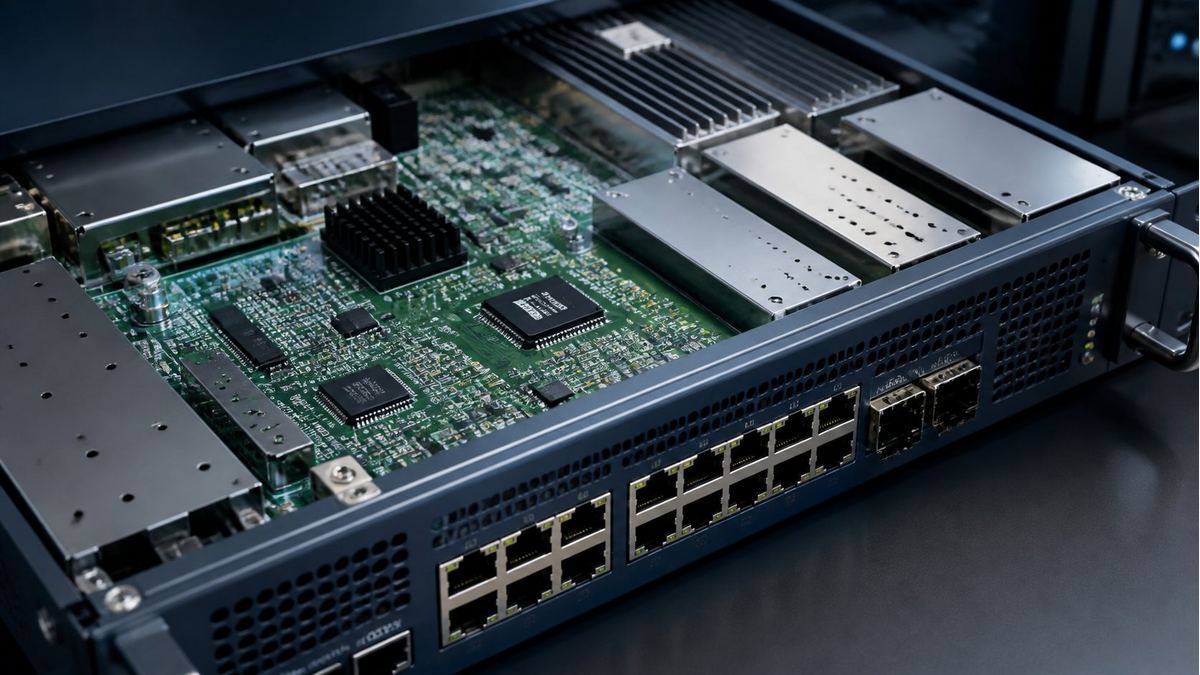
Enterprise networking router electronics for EEPROM configuration storage

Networking

Storing routing tables configurations, unique device identifiers, and cryptographic keys for secure communications.

Standard Product Library

Part Number Density Protocol Vcc Range Max Clock Packages Action
24AA02E48T-I/OT 2 Kbit I2C 1.7V to 5.5V 400 kHz SOT-23-5 Product Page ->
M24C02-RMN6TP 2 Kbit I2C 1.8V to 5.5V 400 kHz 8-SOIC Product Page ->
M24C04-RDW6TP 4 Kbit I2C 1.8V to 5.5V 400 kHz 8-TSSOP Product Page ->
AT24CS08-SSHM-T 8 Kbit I2C 1.7V to 5.5V 1 MHz 8-SOIC Product Page ->
24AA16T-E/OT 16 Kbit I2C 1.7V to 5.5V 400 kHz SOT-23-5 Product Page ->
M24C32-DRDW8TP/K 32 Kbit I2C 1.8V to 5.5V 1 MHz 8-TSSOP Product Page ->
AT24C64D-SSHM-T 64 Kbit I2C 1.7V to 5.5V 1 MHz 8-SOIC Product Page ->
24LC512T-I/SN 512 Kbit I2C 2.5V to 5.5V 400 kHz 8-SOIC Product Page ->
AT24CM01-XHD-T 1 Mbit I2C 2.5V to 5.5V 1 MHz 8-TSSOP Product Page ->
AT25256B-MAHL-T 256 Kbit SPI 1.8V to 5.5V 20 MHz 8-UDFN Product Page ->
M95512-DFMC6TG 512 Kbit SPI 1.7V to 5.5V 16 MHz 8-UFDFPN Product Page ->
M95M02-DRMN6TP 2 Mbit SPI 1.8V to 5.5V 5 MHz 8-SOIC Product Page ->

5-Step Component Selection Guide

01

Determine Interface

Choose between I2C (low pin count), SPI (high speed), or Microwire based on your MCU constraints.

02

Define Density

Calculate required capacity. Options typically range from 1 Kbit up to 2 Mbits depending on data needs.

03

Voltage Range

Match operating voltage to system architecture, such as 1.8V, 2.5V, 3.3V, or 5.0V tolerance.

04

Temp Grade

Select Commercial, Industrial, or Automotive grades based on environmental demands.

05

Package Type

Finalize form factor, such as SOIC, TSSOP, DFN/TDFN, or WLCSP, to fit PCB footprint constraints.

Technical FAQ

Answers to common long-tail engineering and sourcing questions about EEPROM architecture, endurance, interfaces, selection, and procurement support.

Architecture & Reliability

Q: How does EEPROM store data without power?

EEPROM stores charge on an electrically isolated floating gate. The stored charge changes the cell threshold voltage, allowing the device to retain data after power is removed.

Q: What causes EEPROM wear-out?

Repeated erase and write cycles stress the tunnel oxide around the floating gate. After enough cycles, the memory window can narrow and data may no longer be programmed or retained reliably.

Q: Does reading EEPROM wear it out?

Normal read operations do not consume write endurance. Wear is primarily tied to erase and write activity, so frequently updated parameters need careful write management.

Interface & Integration

Q: I2C vs SPI EEPROM: which should I choose?

Use I2C when pin count and board space matter. Use SPI when the design needs faster transfers, higher clock rates, or simpler dedicated chip-select control.

Q: Do I need pull-up resistors for I2C EEPROM?

Yes. I2C SDA and SCL lines are open-drain/open-collector style signals and require pull-up resistors sized for bus capacitance, speed, voltage, and power budget.

Q: Can multiple EEPROMs share the same I2C bus?

Yes, if each device has a unique address. Check the address pins and reserved address range in the datasheet before placing multiple EEPROMs on one bus.

Selection & Application

Q: How do I choose EEPROM density?

Add up configuration data, calibration values, IDs, logs, and future margin. Choose enough density for required records without forcing unnecessary package or cost tradeoffs.

Q: What is EEPROM page write size and why does it matter?

Page write lets multiple bytes be programmed in one write cycle. Staying inside page boundaries can reduce total write time, while crossing boundaries may wrap or require another cycle depending on the device.

Q: When should I use EEPROM instead of Flash memory?

EEPROM is often preferred for small amounts of frequently updated data, byte-level updates, and critical parameters. Flash is usually better for larger code or bulk data storage.

ApexComponent Support

Q: Can ApexComponent help source EEPROM by BOM?

Yes. You can submit an EEPROM BOM or part list through the request quote workflow, and the team can review exact part numbers, alternatives, stock options, and lead-time requirements.

Q: Can you help cross-reference EEPROM alternatives?

ApexComponent can review interface, density, voltage range, package, temperature grade, and lifecycle constraints to help identify practical alternatives for purchasing review.

Q: What information should I provide for an EEPROM quote?

Send the target part number, required quantity, package, manufacturer preference, acceptable substitutes, delivery location, lead-time target, and any compliance or temperature-grade requirements.

Ready to Source EEPROM?

Connect with our technical procurement team for pricing, availability, and alternative component recommendations.

Contact Our Procurement Team