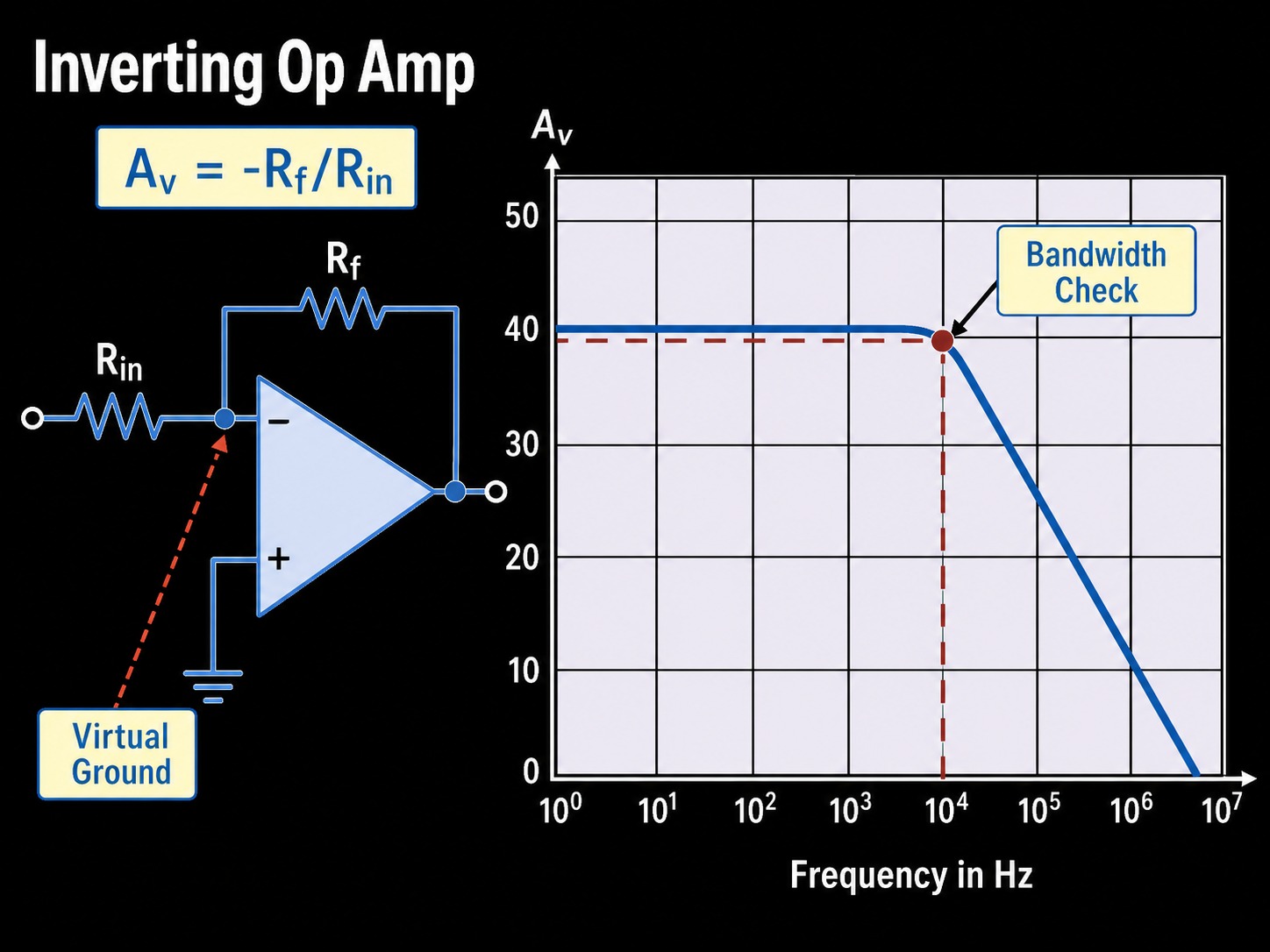
An inverting operational amplifier is an op amp circuit that produces an output with opposite polarity from the input. In the ideal resistor-feedback form, the closed-loop gain is set by
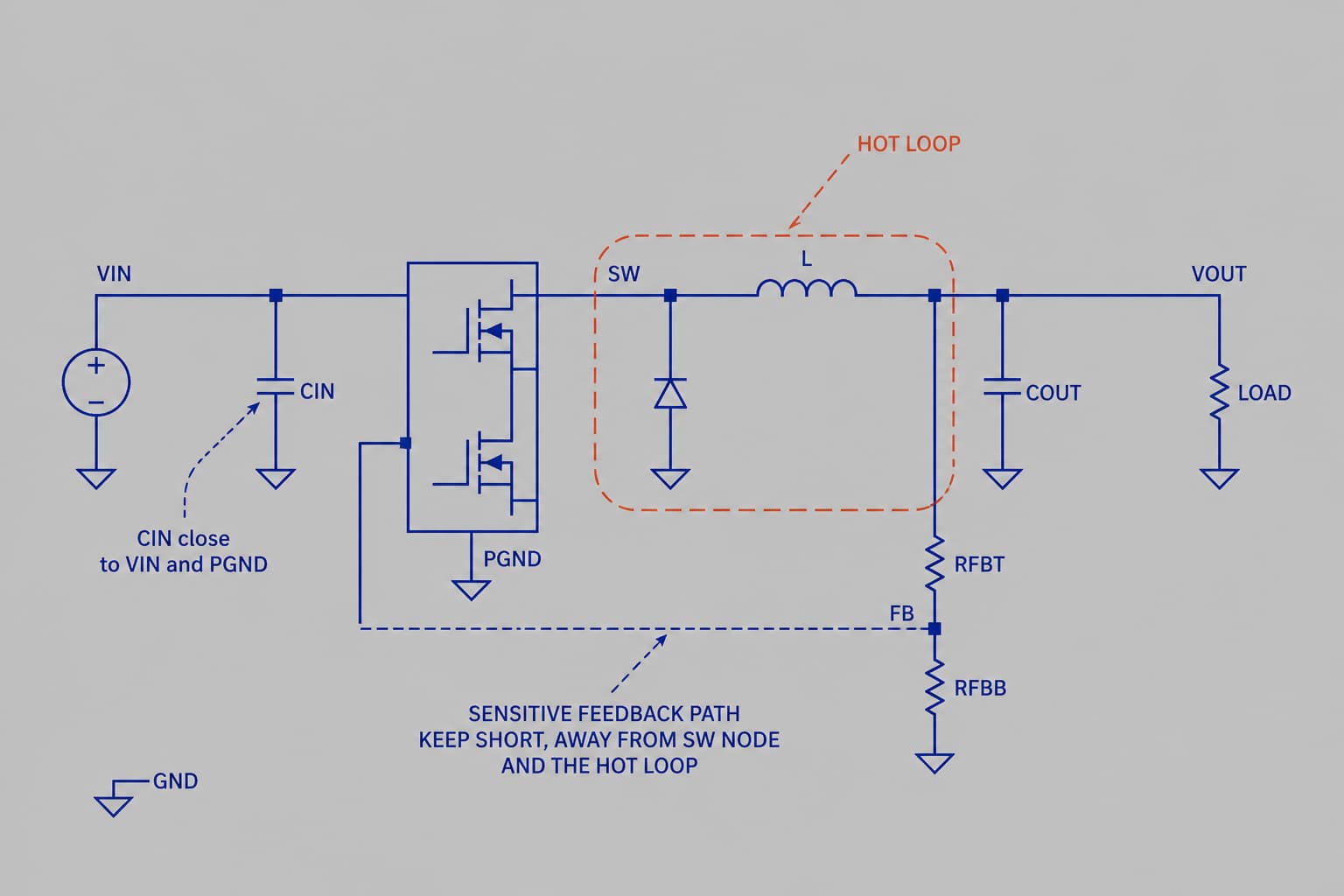
DC-DC PCB Layout Guidelines: Hot Loop, Input Capacitor, SW Node, Feedback, and Grounding
A DC-DC converter may work on paper, but PCB layout decides whether it works well in real life. Good layout helps lower EMI, reduce ripple, improve stability, and keep temperature
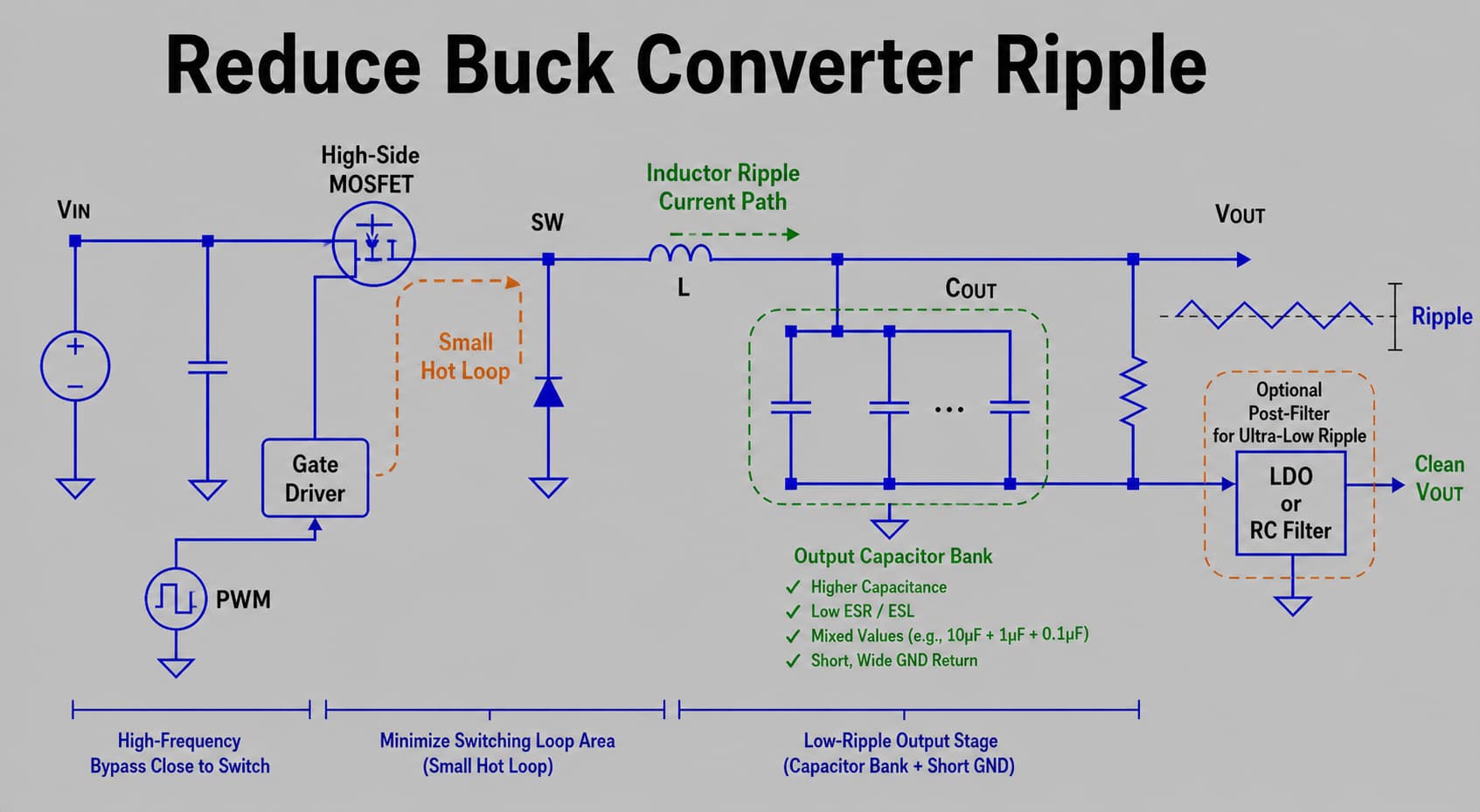
How to Reduce Ripple Voltage in a Buck Converter
To reduce ripple voltage in a buck converter, first confirm that you are measuring real output ripple rather than probe-induced switching spikes. Then reduce the electrical causes: lower the inductor
LDO Schematic: How to Use an LDO for 5V to 3.3V WiFi Modules
An LDO schematic looks simple: connect the input capacitor to VIN, the output capacitor to VOUT, tie the grounds together, and feed the load from the regulated output. For a
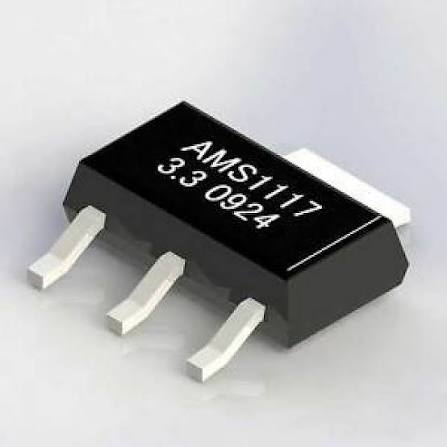
AMS1117 3.3V Circuit: Pinout, Wiring and Design Checks
An AMS1117 3.3V circuit is a simple linear regulator circuit that converts a higher DC input, commonly 5V, into a regulated 3.3V rail for microcontrollers, sensors, logic ICs and small
P-Channel MOSFET Small N-MOSFET Driver: High-Side Switch Design, Selection Checks, and Sourcing Notes
Introduction In power switching, battery-powered electronics, MCU-controlled loads, and protection circuits, engineers often run into one practical question: Can a small N-MOSFET be used to drive a P-channel MOSFET? The
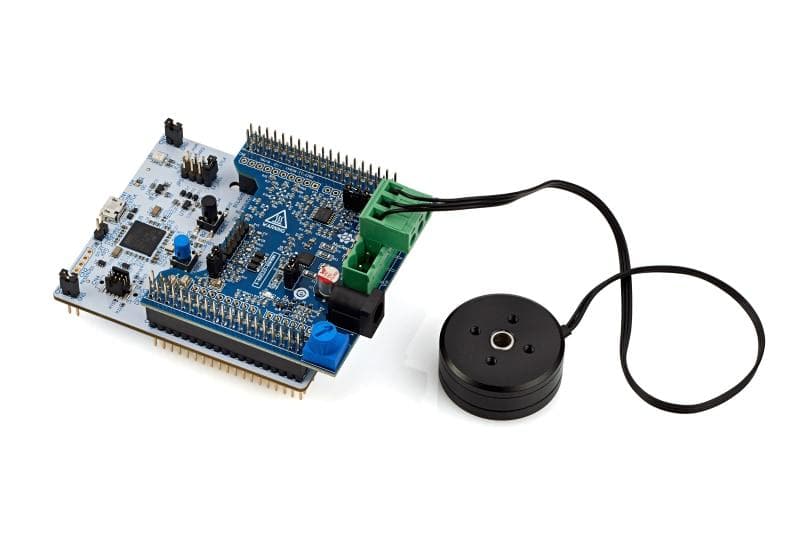
STM32G4 for Motor Control: Features, Applications, and Selection Tips
Introduction Engineers working on embedded systems often need a reliable motor control MCU that balances performance, power efficiency, and cost. The STM32G4 from STMicroelectronics is the go-to STM32G4 motor control